
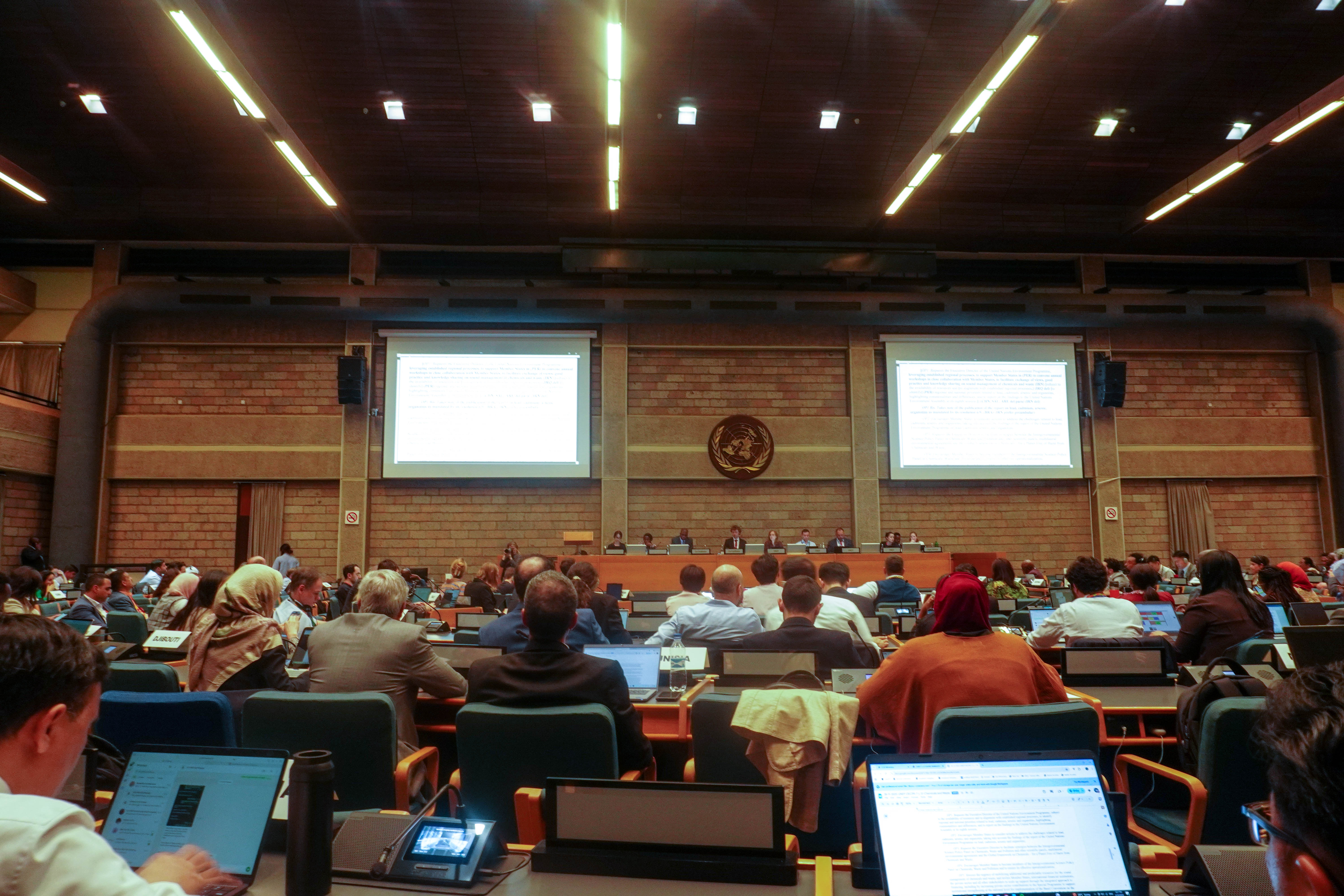

I had the opportunity to participate in the Seventh Session of the United Nations Environment Assembly (UNEA-7), which, to me, was a moment that underscored both the urgency in the global waste crisis and the growing will globally to address it differently. Among the most significant outcomes was the recognition of Zero Waste in the Ministerial Declaration, a milestone that signals a shift away from disposal-driven approaches toward prevention, reuse, and non-toxic circular systems. For the first time at this level, ministers collectively acknowledged that the waste crisis cannot be solved through downstream solutions alone, such as landfilling. Instead, it requires a systematic shift toward preventing waste at source, promoting reuse, refill and recycling and redesigning products to eliminate altogether.
This recognition is more than symbolic. It reflects a growing understanding among governments that waste is not only an environmental issue but also a public health, climate, social justice, and economic challenge. Poor waste management continues to pollute air, land and water, disproportionately affecting low-income communities, informal settlements and waste workers. By elevating Zero Waste in the Ministerial Declaration, UNEA 7 sends a strong signal that sustainable waste management must be inclusive, preventive and people-centred.
What needs to be done
To ensure that the recognition of Zero Waste at UNEA 7 leads to real impact, it is critical for countries to:
- Embed Zero Waste in national policies and laws. Zero Waste targets should be integrated into national waste management, climate, and development plans, along with measurable indicators and accountability mechanisms.
- Support inclusive waste governance. Waste pickers must be formally recognised as key stakeholders. Their participation in policy design and implementation is essential for effective and equitable systems.
- Redirect investments toward prevention and reuse. Public and private investments should prioritise waste reduction, reuse and recycling infrastructure, rather than disposal-focused technologies.
- Align Zero Waste with ongoing negotiations under the Global Plastic Treaty and national climate commitments, given its role in reducing emissions and pollution.
A moment of Possibility.
UNEA-7 has created a crucial policy opening. While the inclusion of Zero Waste at the Ministerial Declaration is a major achievement, the real test lies in the implementation. This recognition should translate into practical, locally grounded solutions that protect ecosystems, create dignified livelihoods, and build healthier, more resilient communities.
The path to Zero Waste is not abstract. It is already being paved by communities, waste workers, and local governments around the world. Global declarations alone do not clean rivers, reduce plastic pollution or improve the lives of the people. The focus must now shift from commitment to Action.