
The ozone layer is healing, a powerful testament to the effectiveness of the Montreal Protocol, often hailed as the most successful environmental treaty in history. However, despite this progress, significant challenges remain. These include discrepancies in atmospheric monitoring of hydrofluorocarbons (HFCs), the need for improved data collection in regions without monitoring infrastructure, the growing accumulation of refrigerant gases in developing countries, and geopolitical tensions and limited urgency from some parties continue to hinder effective global action.
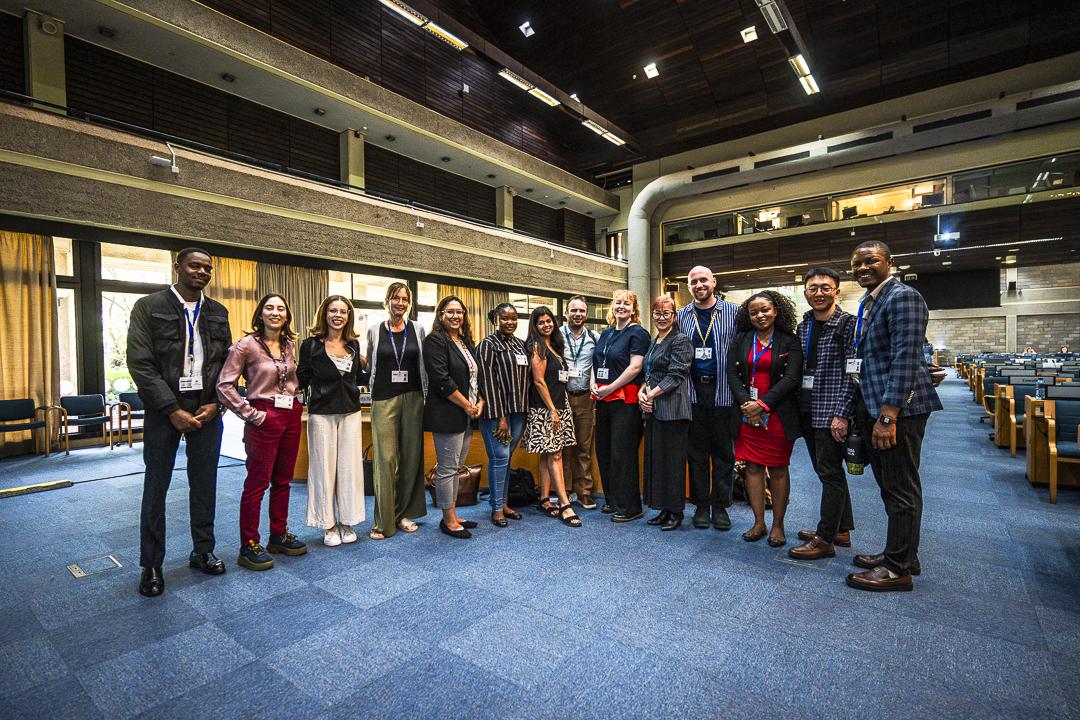
This November, from 3 to 7, delegates convened in Nairobi for the Thirty-Seventh Meeting of the Parties (MOP37), bringing together government representatives, scientists, industry experts, and civil society. The meeting provided a platform for evaluating progress and agreeing on the next steps for protecting and restoring the ozone layer.
Also, it marked the 40th anniversary of the Vienna Convention, giving MOP37 special significance. Delegates reflected on the journey from early scientific warnings and global mobilisation to the remarkable recovery observed today. The meeting further underscored how science continues to guide Protocol decisions through assessments, research updates, and knowledge-sharing sessions.
Key Outcomes from MOP-37
Delegates addressed a wide range of priority issues, and their discussions produced a set of forward-looking outcomes designed to strengthen the Protocol’s long-term effectiveness.
One major outcome was the advancement of atmospheric monitoring. Parties agreed to begin preparations for establishing new regional monitoring sites and allocated dedicated funding to support this work. They also invited the Multilateral Fund to consider financing pilot projects, signalling a commitment to improving the detection of controlled substances and strengthening global surveillance networks.
On hydrofluorocarbon-23 (HFC-23), a potent greenhouse gas, Parties took decisive action to improve accuracy and transparency. They requested updated analytical work to address discrepancies between reported emissions and atmospheric measurements, encouraged HCFC-22 producers to submit detailed methodologies, and invited all Parties to report 2025 data on HFC-23 generation, destruction, and storage. Support for additional scientific research was emphasised to enhance understanding of lingering emissions.
Parties also reaffirmed the need for robust licensing systems under the Kigali Amendment. They stressed the importance of establishing and reporting national import and export licensing frameworks for controlled HFCs. They requested the Secretariat to regularly update and share records with Parties and the Implementation Committee. This outcome strengthens compliance and ensures smoother coordination across national and regional regulatory systems.
Other discussions focused on enhancing institutional capacity, addressing the accumulation of refrigerant gas inventories, especially at end-of-life stages and reinforcing the resilience and relevance of Montreal Protocol operations as technology and global cooling needs evolve. These conversations reinforced the shared commitment of Parties to sustaining the Protocol’s environmental achievements while adapting to emerging global realities.
Looking Ahead
MOP37 concluded with the decision to hold the Thirty-Eighth Meeting of the Parties in Kigali from 2 to 6 November 2026. As the Protocol enters its fifth decade, Parties remain united in their mission to protect the ozone layer and advance sustainable cooling solutions for future generations.