
FOR IMMEDIATE RELEASE
CEJAD Sounds Alarm on Widespread Exposure of Farmers and Farm Workers to Toxic Pesticides in Kenya
New Study Calls for Urgent Action to Protect Farming Communities and Public Health from Toxic Pesticide Exposure
Nairobi, 15th January, 2026 - A new study by the Centre for Environment Justice and Development (CEJAD) has revealed that Kenya’s agricultural sector is heavily dependent on pesticides, including Highly Hazardous Pesticides (HHPs), linked to serious health and environmental effects, exposing farmers, farm workers, their families, consumers, and the environment.
Conducted in Kajiado, Kirinyaga, and Nakuru counties, the study found that 98% of respondents either used pesticides directly or worked on farms where pesticides were applied, demonstrating an overwhelming reliance on chemical pest control by both men and women. HHPs accounted for approximately 32% of all pesticide products used, with fungicides and insecticides being the most widely used. Kajiado recorded the highest number of HHPs products (102), followed by Kirinyaga (69) and Nakuru (37).
Nearly half of the identified HHPs are linked to reproductive harm, capable of causing infertility in both men and women, and damage to developing fetuses, while some are carcinogenic. Beyond human health impacts, the study revealed that over 42% of the products are highly toxic to key parts of the ecosystem, including bees, aquatic organisms, birds, earthworms, and mammals, posing serious threats to biodiversity and food systems.
The study documented the continued use of pesticides banned in other countries, with 37.5% of active ingredients prohibited elsewhere globally and 23.6% banned in their countries of origin, pointing to regulatory double standards and weak enforcement in Kenya. The research also uncovered a persistent problem of illegal transboundary pesticide trade, particularly along the Kenya–Tanzania border, with Kajiado identified as a hotspot. About 5% of pesticides in use in the 3 counties were sourced from Tanzania but are not registered in Kenya, increasing risks to users and consumers.
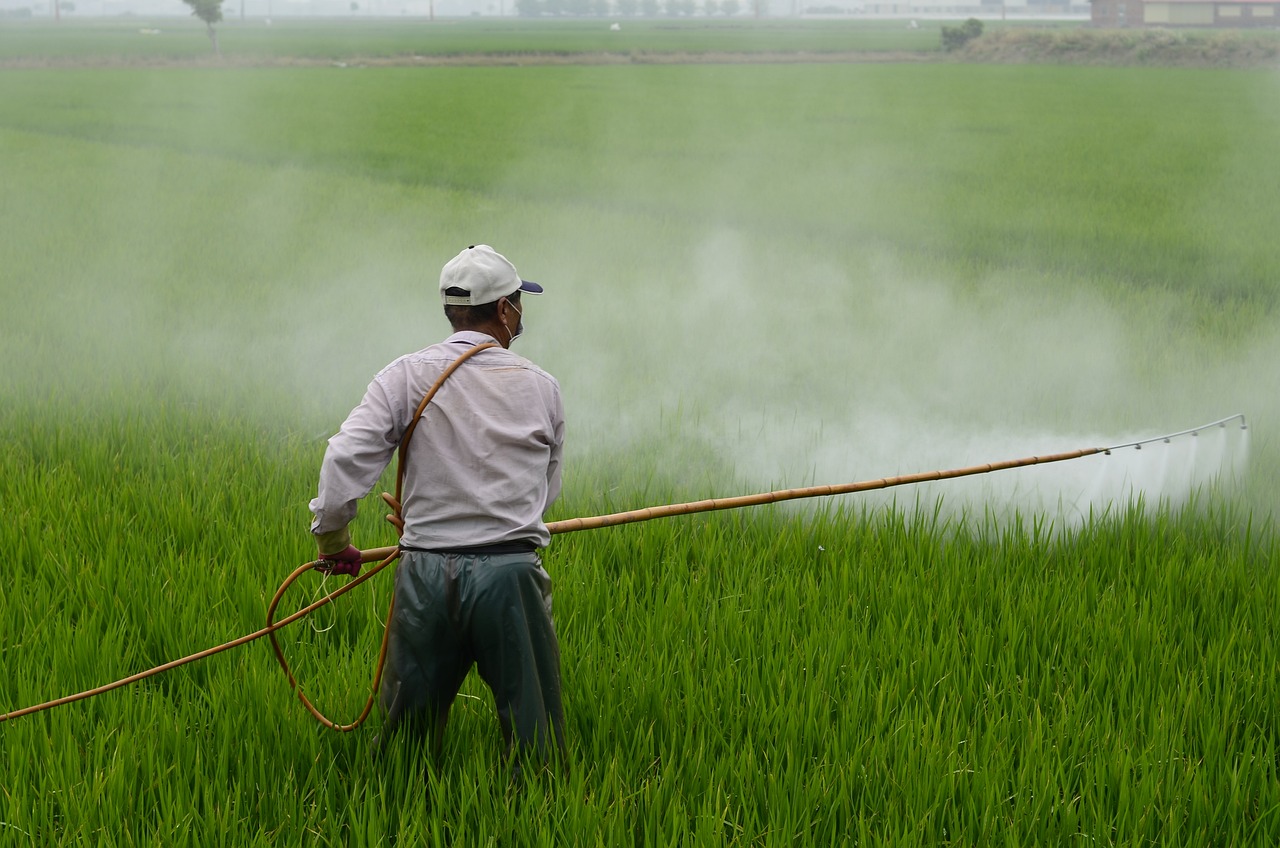
Poor handling practices were widespread. Nearly half of farm workers in Kajiado and Kirinyaga reported not using any personal protective equipment (PPE), while those who did often relied on incomplete or inadequate gear due to cost, discomfort, or lack of availability. Workers frequently mixed, loaded, decanted, and sprayed pesticides without proper training, re-entered fields before safe re-entry intervals had elapsed, and sprayed without regard to wind direction.
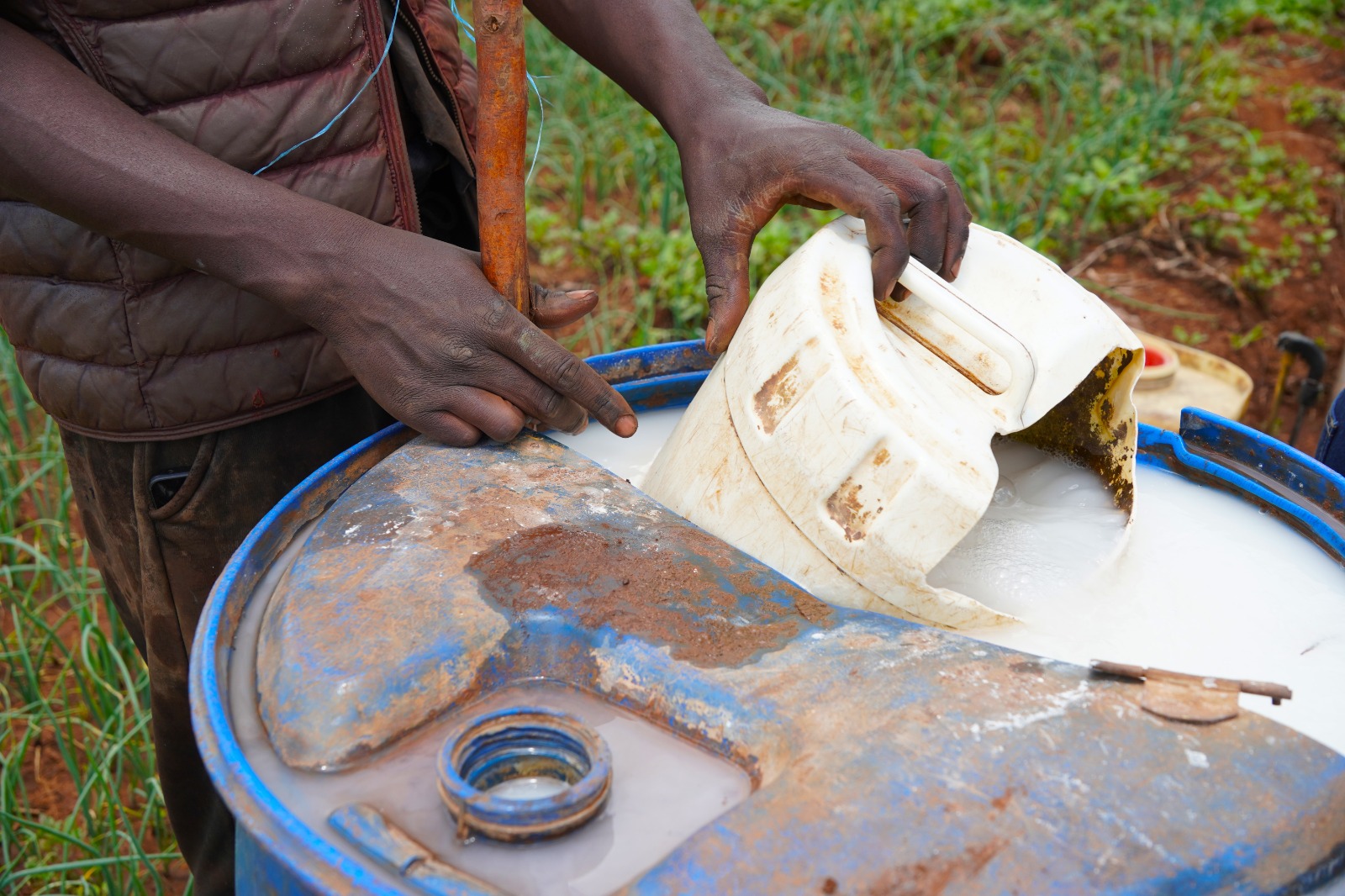
Poor pesticide management practices were common, including reusing pesticide containers for water and food storage, unsafe decanting, and burning leftover and unwanted pesticides as the main disposal method. The absence of proper washing facilities further heightened risks, with equipment, protective clothing, and bodies washed in rivers, irrigation canals, ponds, wells, lakes, and household containers, contributing to environmental contamination.
“Acting on the small portion of pesticides that are highly hazardous with urgency could prevent a large portion of the health and environmental harms caused by pesticides,” said Fredrick Otieno, Programme Officer at CEJAD. “These toxic pesticides have been linked to acute health effects like skin rashes, nausea, dizziness, and breathing difficulties, and chronic illnesses including cancer, kidney and liver disease, diabetes, and developmental disorders. This is a preventable public health liability that demands urgent action.”
Our study identifies the following key interventions as critical for reducing exposure to toxic pesticides:
- The Pest Control Products Board (PCPB) should urgently phase out all identified HHPs, including pesticides that are banned in other jurisdictions but remain permitted in Kenya, in line with national and international obligations, and the Business Laws (Amendment) Act, 2024.
- The Ministry of Agriculture should prioritise and significantly increase public investment in agroecology, particularly in research and extension services, to support farmers in transitioning to safer and more sustainable pest management practices.
- Relevant stakeholders should scale up farmer training and extension programs on judicious pesticide handling, storage, and disposal, while raising awareness of the health and environmental impacts of pesticides and the benefits of safer, sustainable alternatives.
- The Ministry of Health, the Directorate of Occupational Safety and Health Services (DOSHS), and the Ministry of Environment should implement coordinated programs to monitor and address the health and environmental impacts of pesticide use.
- Governments should strengthen national and regional collaboration to prevent the manufacture, distribution, and cross-border trade of counterfeit and illegal pesticides.
For more information, please contact:
- Centre for Environment Justice and Development
- Media Contact:
- Candy Margaret Vizengwa
Tel: +254 115614560
–ENDS–
📄 Download press release and study report