
Articles |

Seventh session of the United Nations Environment Assembly (UNEA-7)

"Advancing sustainable solutions for a resilient planet"

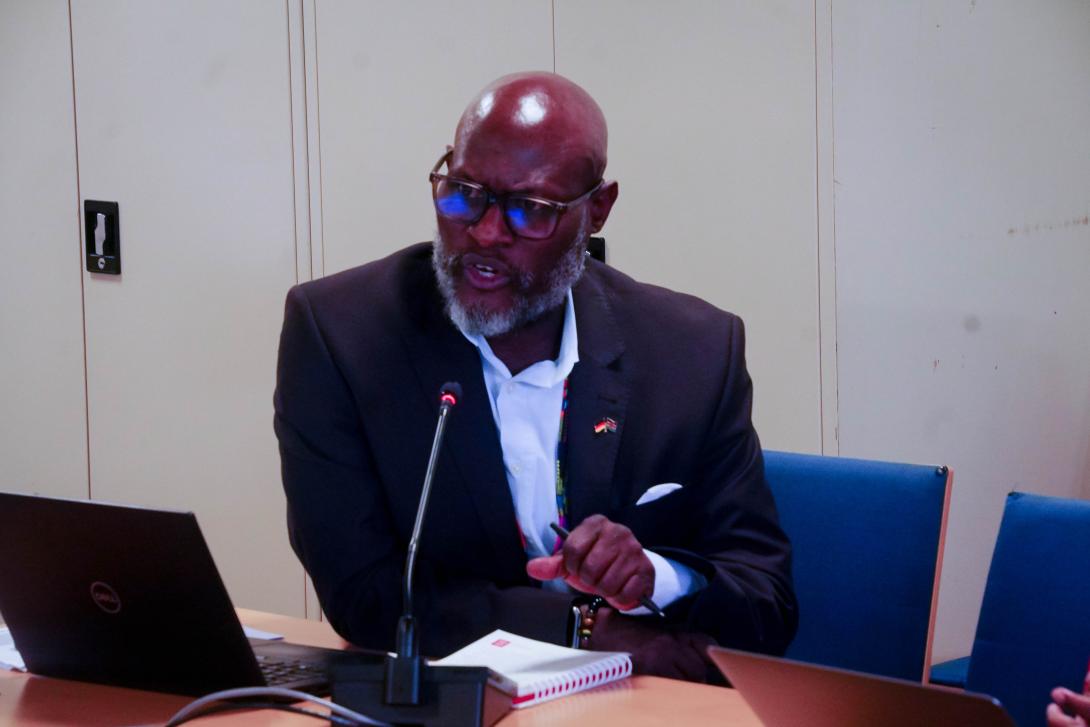
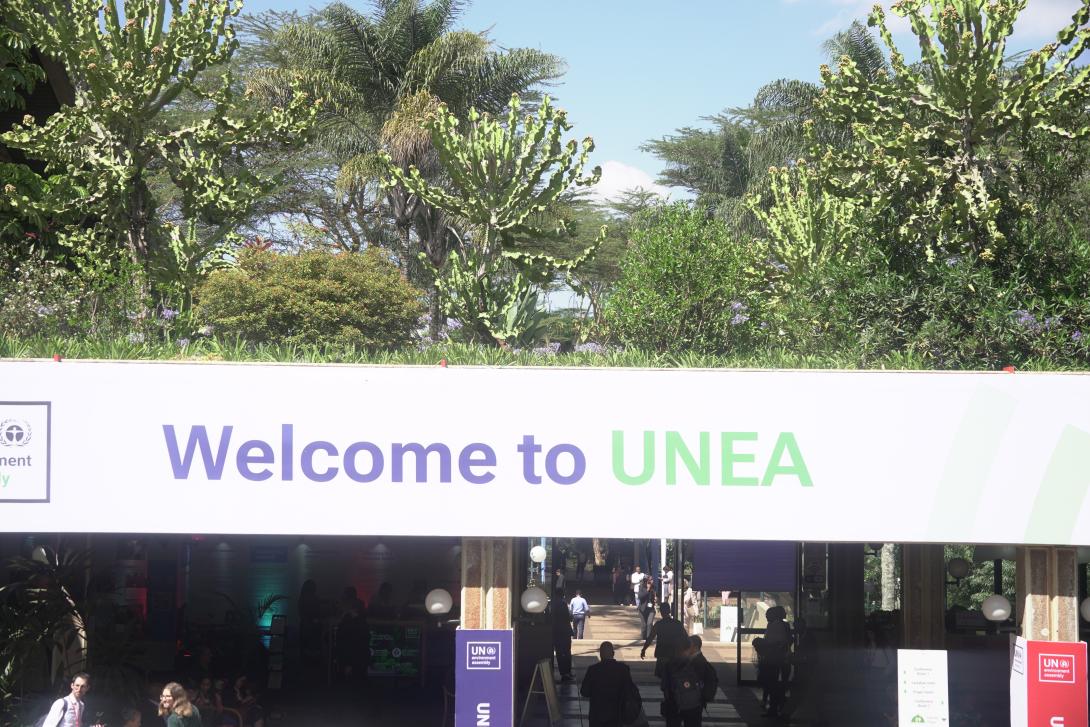
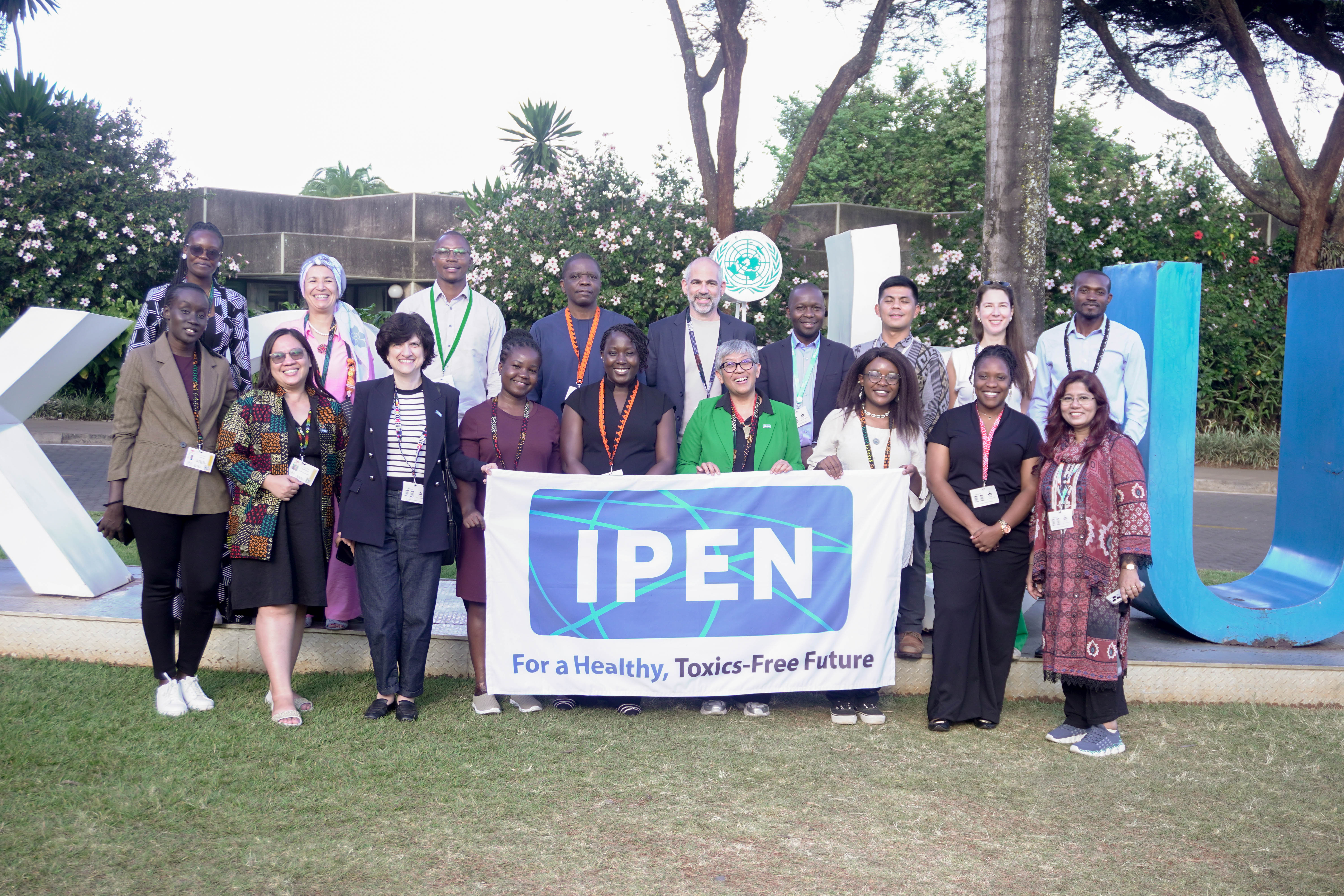
We are proud to take part in the Seventh Session of the United Nations Environment Assembly (UNEA-7), taking place from 8 to 12 December 2025 at the United Nations Environment Programme (UNEP) headquarters in Nairobi, Kenya, on the theme "Advancing sustainable solutions for a resilient planet, the world’s highest-level decision-making body on the environment. UNEA-7 brings together governments, organizations, and stakeholders to shape global environmental policy and drive urgent action for a sustainable future.

Why UNEA-7 Matters

This year’s Assembly focuses on strengthening global cooperation to address the planet’s most pressing challenges, including climate change, biodiversity loss, pollution, and sustainable resource management. Decisions made at UNEA-7 will guide international environmental priorities and influence how countries, institutions, and communities respond in the years ahead.

Learn More About UNEA-7

For full details, official updates, schedules, and outcomes, please visit the UNEP UNEA-7 website:


More programs

Under this program, CEJAD aims to eliminate the risk posed by exposure to lead in paints to women and children, and improve the regulatory frameworks to phase out lead in paint at national, regional and international level.

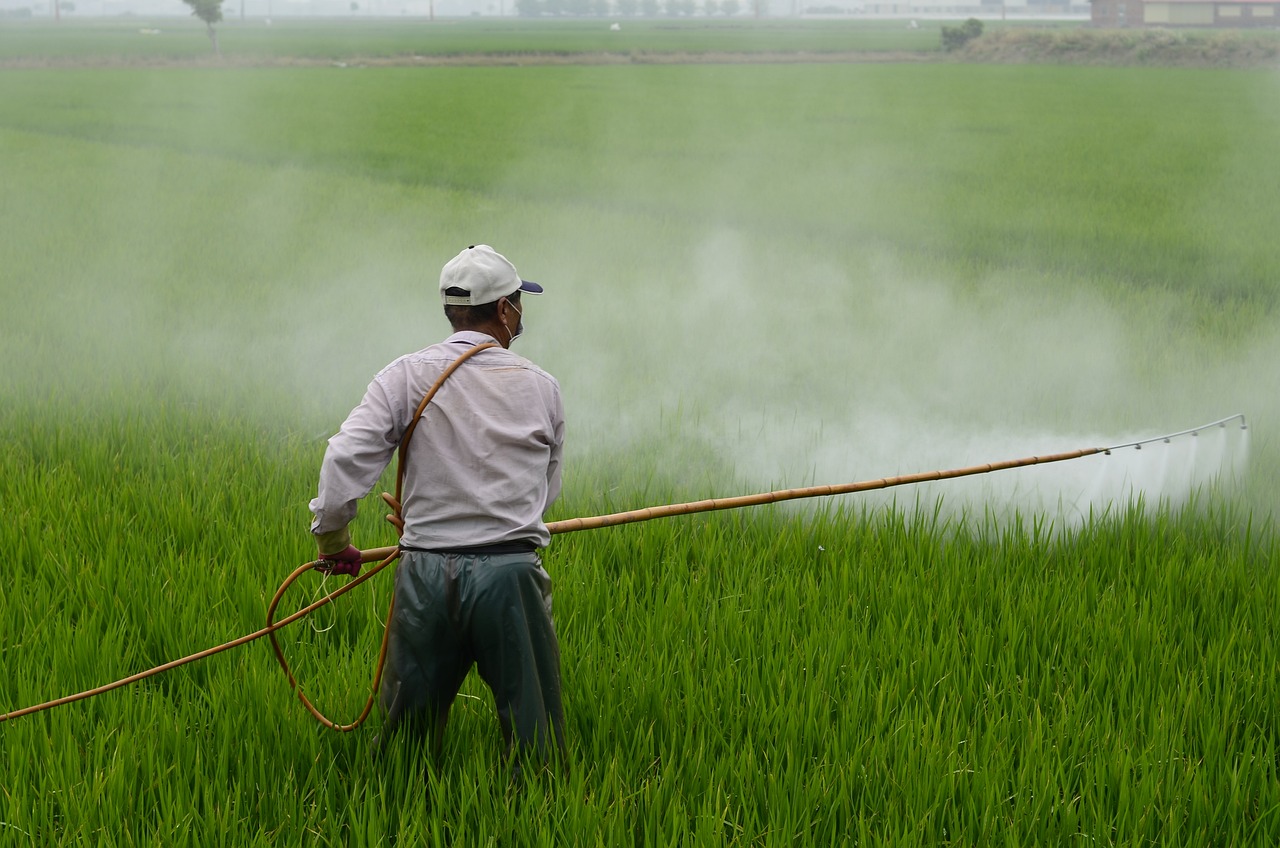
Our work under this program aims to promote the phase out of Highly Hazardous Pesticides (HHPs) from use, especially in agriculture to protect human health and the environment. The use of HHPs is threatening the lives of vulnerable populations, food systems, biodiversity and the environment at large.

Our work under the Mercury Program aims to protect human health and the environment from anthropogenic emissions and releases of mercury and mercury compounds in line with the Minamata Convention on Mercury, a legally binding global treaty adopted in 2013. Kenya is a party to the Minamata Convention.

The Montreal Protocol, adopted in 1987, protects the ozone layer by regulating ozone-depleting substances (ODS), such as chlorofluorocarbons (CFCs) and hydrochlorofluorocarbons (HCFCs). It mandates the phase-out of CFC and HCFC production and consumption with specific timeframes for different Parties, based on their status as a developed or developing country.

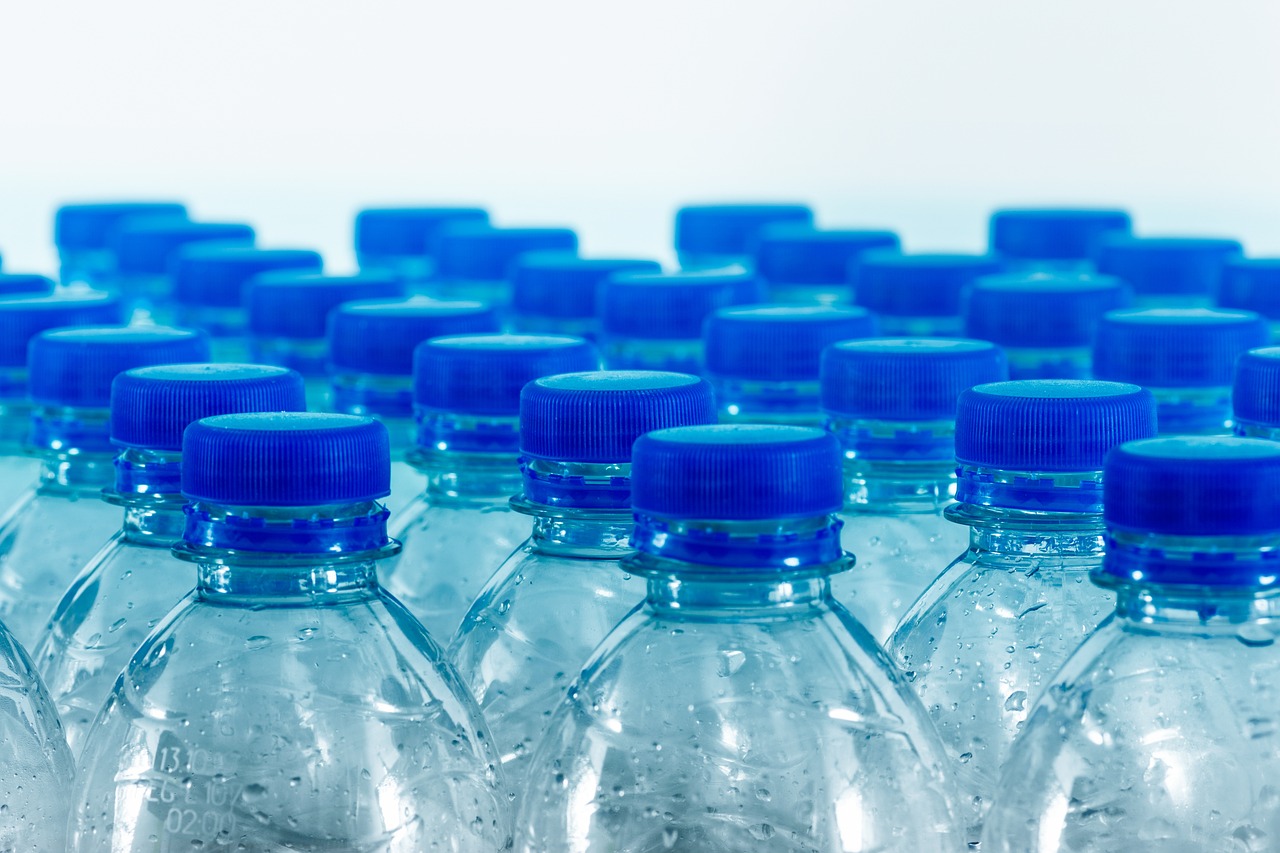
Our work under this program aims to reduce the health and environmental impacts associated with waste and plastics throughout their life cycle. Over the years, plastic and plastic products have emerged as problematic and hazardous to human health and the environment.