
Media desk
[email protected]
Contributions to CEJAD
[email protected]
General Inquiries
[email protected]
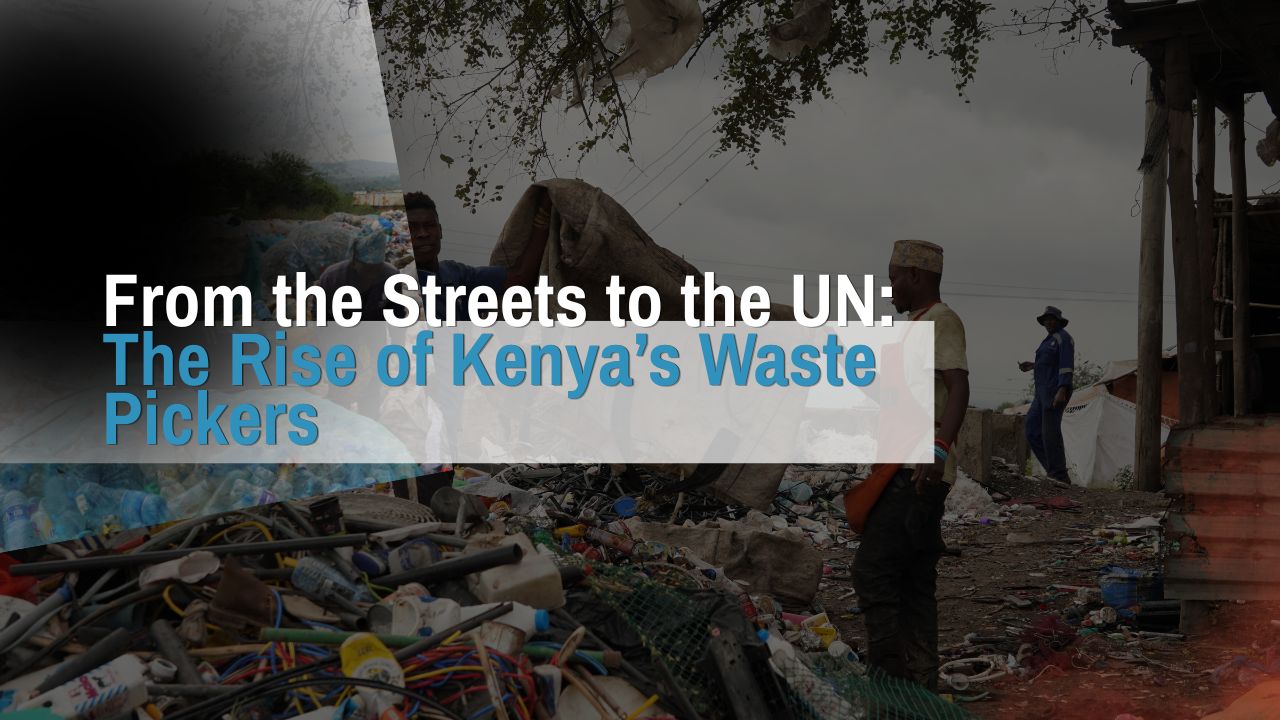
In collaboration with the Global Alliance for Incinerator Alternatives (GAIA) and with support from the SAGE Fund, we have officially released our new documentary, From the Streets to the UN: The Rise of Kenya's Waste Pickers.
Related Program: Plastic and Waste Management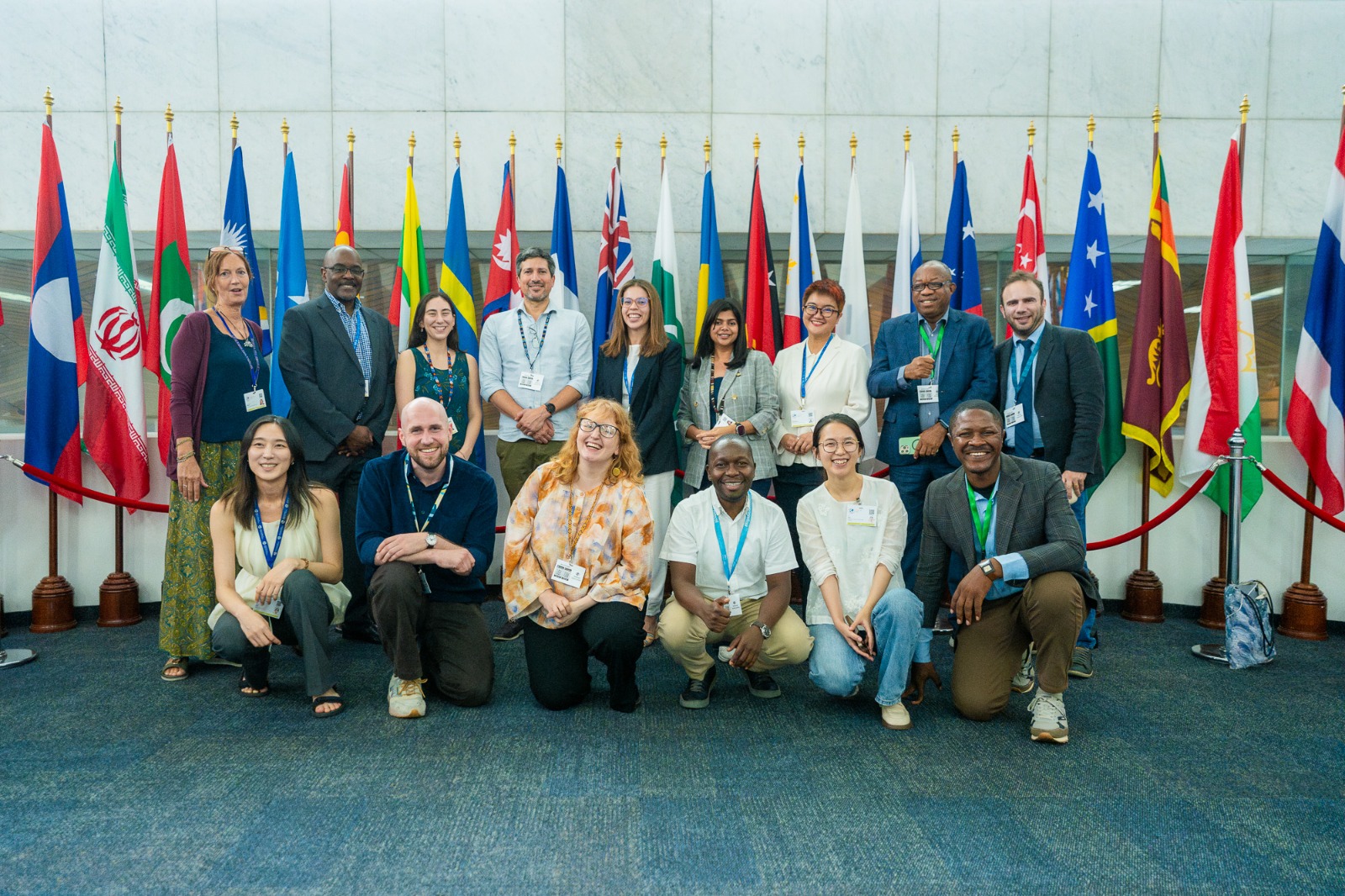
The growing demand for cooling, driven by climate change and rising temperatures, makes sustainable cooling an urgent global priority. The 48th Open-ended Working Group (OEWG48) of the Montreal Protocol focused on advancing implementation of the Kigali Amendment, which aims to phase down high-global-warming-potential HFCs. At the meeting, CEJAD advocated for increased financing, access to climate-friendly technologies, stronger institutional capacity, and action against illegal refrigerant trade to support developing countries. As discussions move towards MOP38 in Kigali, CEJAD remains committed to promoting equitable and sustainable cooling solutions that enhance climate resilience and sustainable development.
Related Program: Ozone and Climate Action Program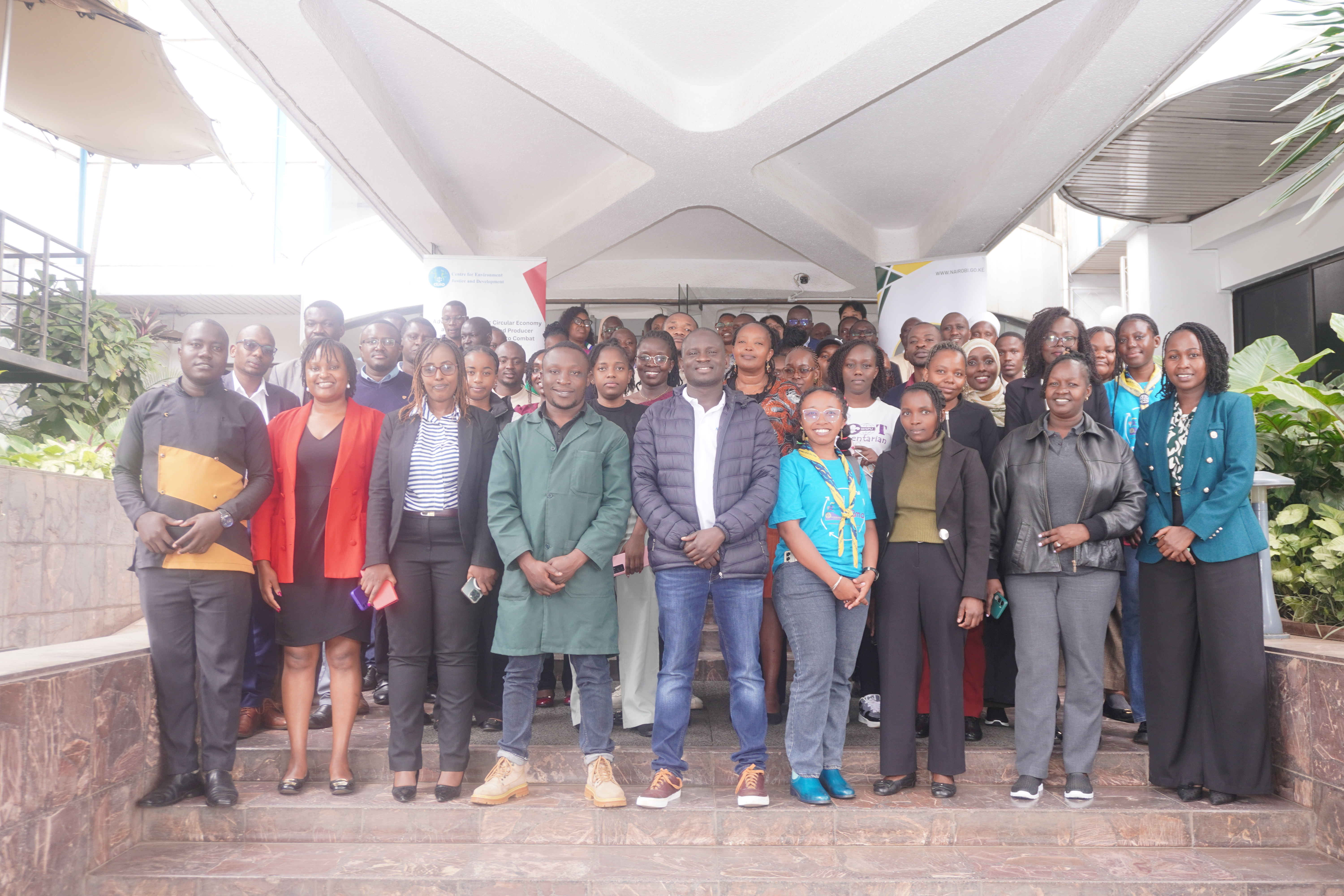
Nairobi, June 5th, 2026 - Stakeholders have highlighted sustainable and inclusive waste management, as well as effective implementation of the existing waste laws, such as the Extended Producer Responsibility (EPR) framework, as critical components of climate action and combating pollution in Nairobi County.
Related Program: Plastic and Waste Management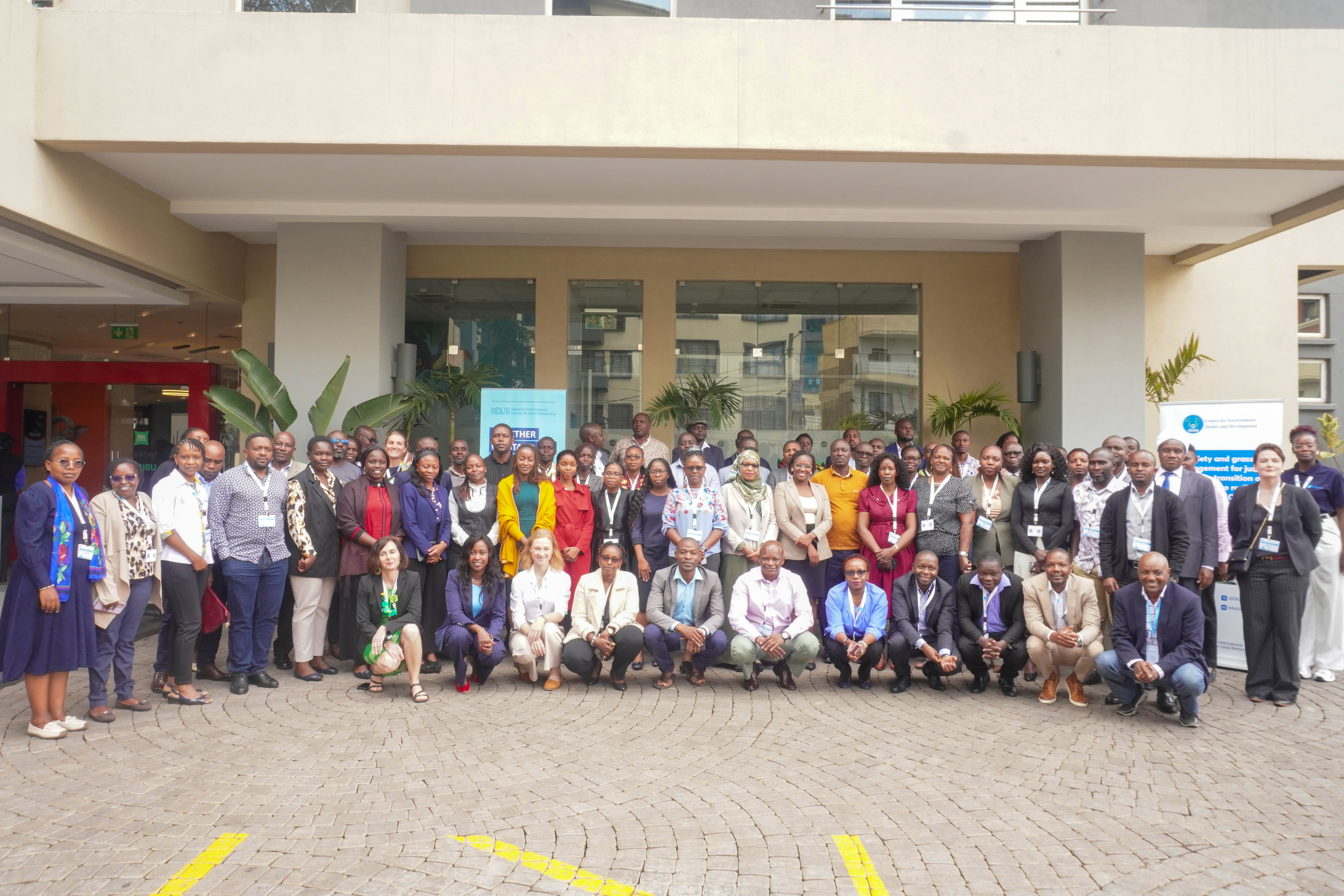
Nairobi, May 7th, 2026- Kenya’s waste management system is facing mounting pressure from rapid urbanization, rising consumption, and overstretched county government capacities. Stakeholders are now calling for urgent, coordinated action to build accountable, inclusive waste governance systems that reflect realities on the ground.
Related Program: Plastic and Waste Management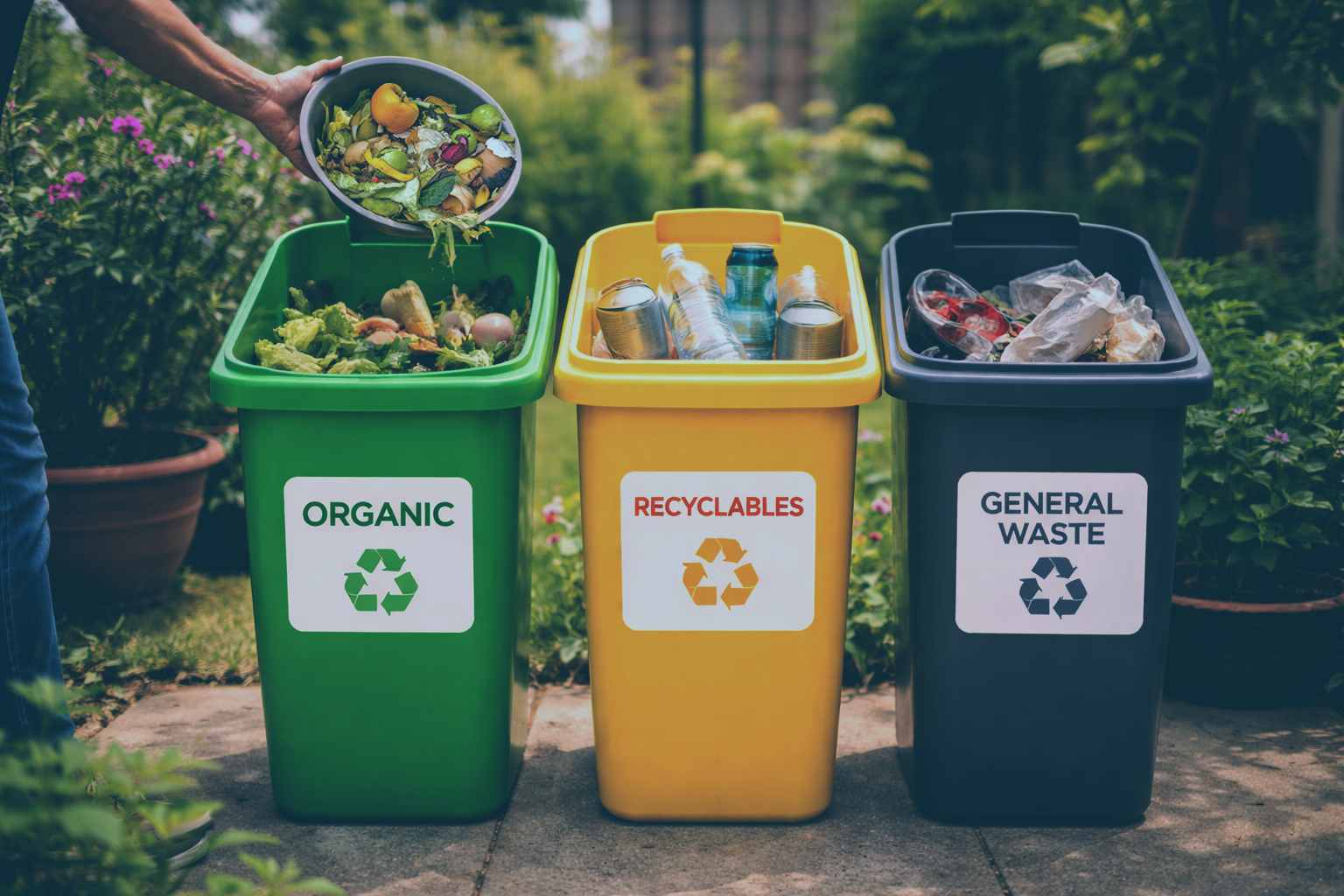
What happens to a banana peel after you throw it away in the same bin bag containing other trash, including metal scraps, electronics, plastics and more food scraps ?. In many cities, the bin bag would then be collected by municipal or private waste trucks and taken to a landfill or dumpsite, where it would be unloaded.
Related Program: Plastic and Waste Management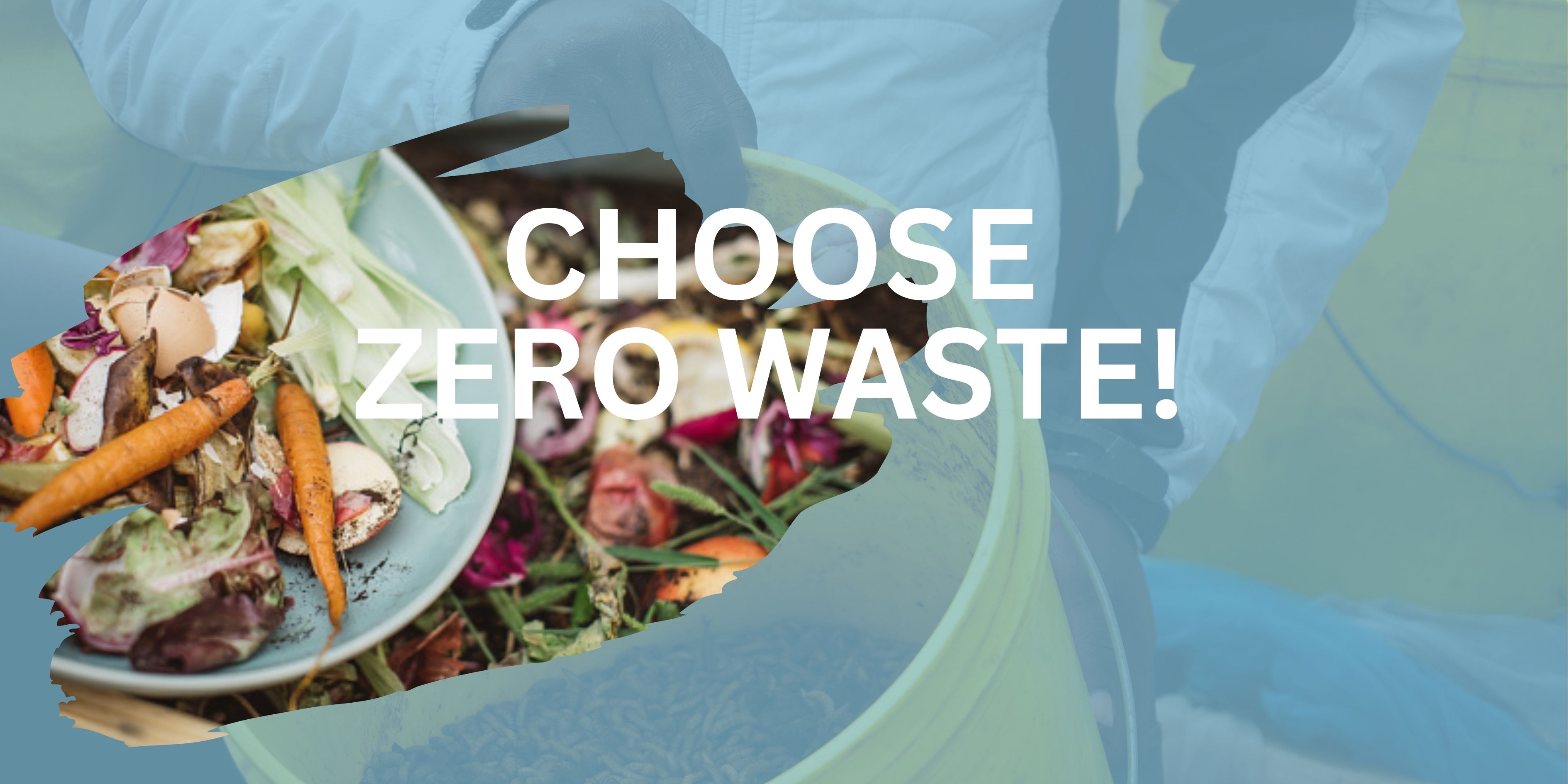
Food waste is not just a social issue; it is also an environmental one. In 2022, a fifth of all the food produced globally was wasted, yet many people lacked access to food.
Related Program: Plastic and Waste Management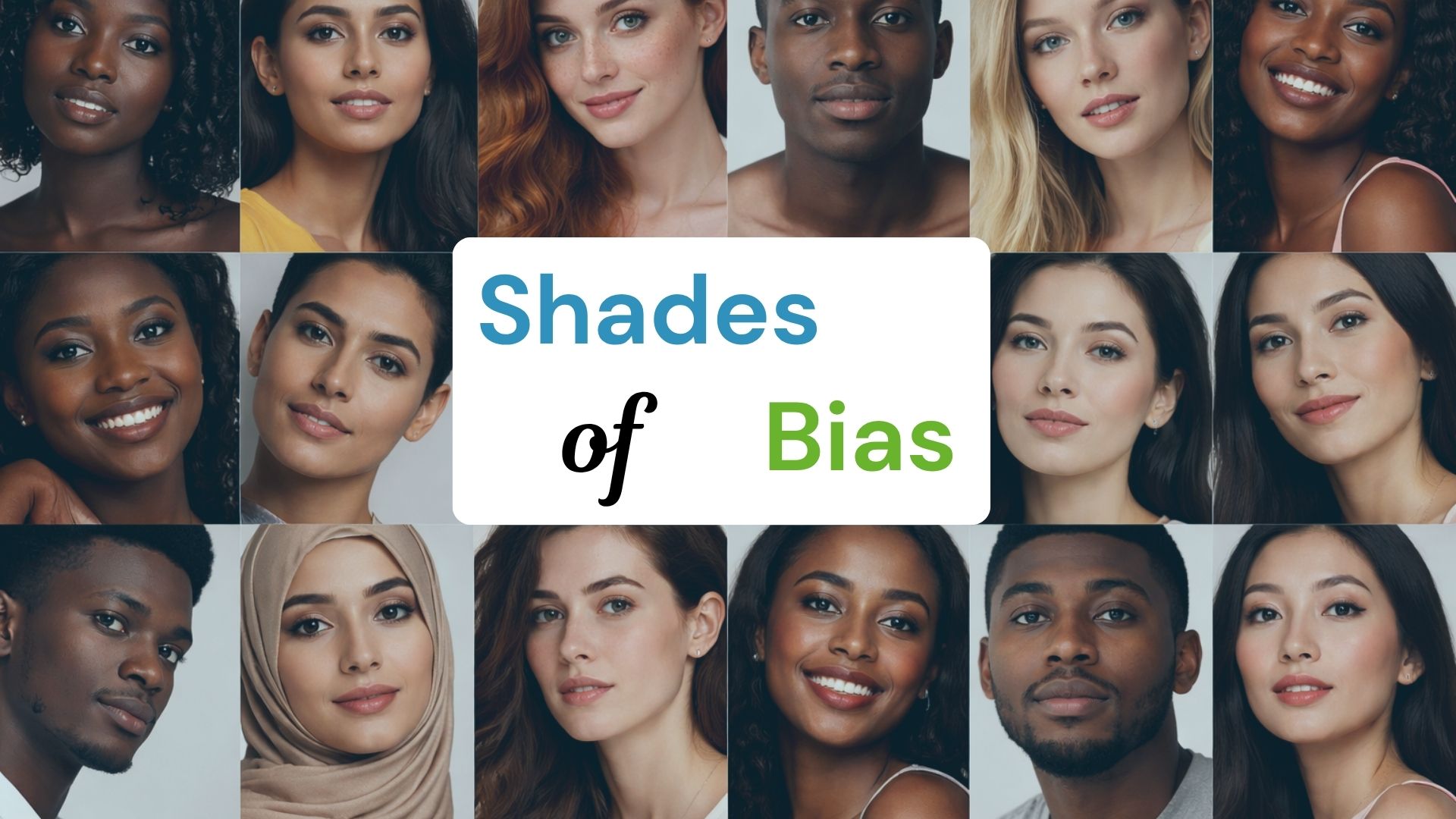
On this International Day for the Elimination of Racial Discrimination, we reflect not only on overt racism but also on a subtler, yet pervasive, form of bias within communities themselves: colourism. This is a bias that privileges lighter skin tones within our communities.
Related Program: Mercury Program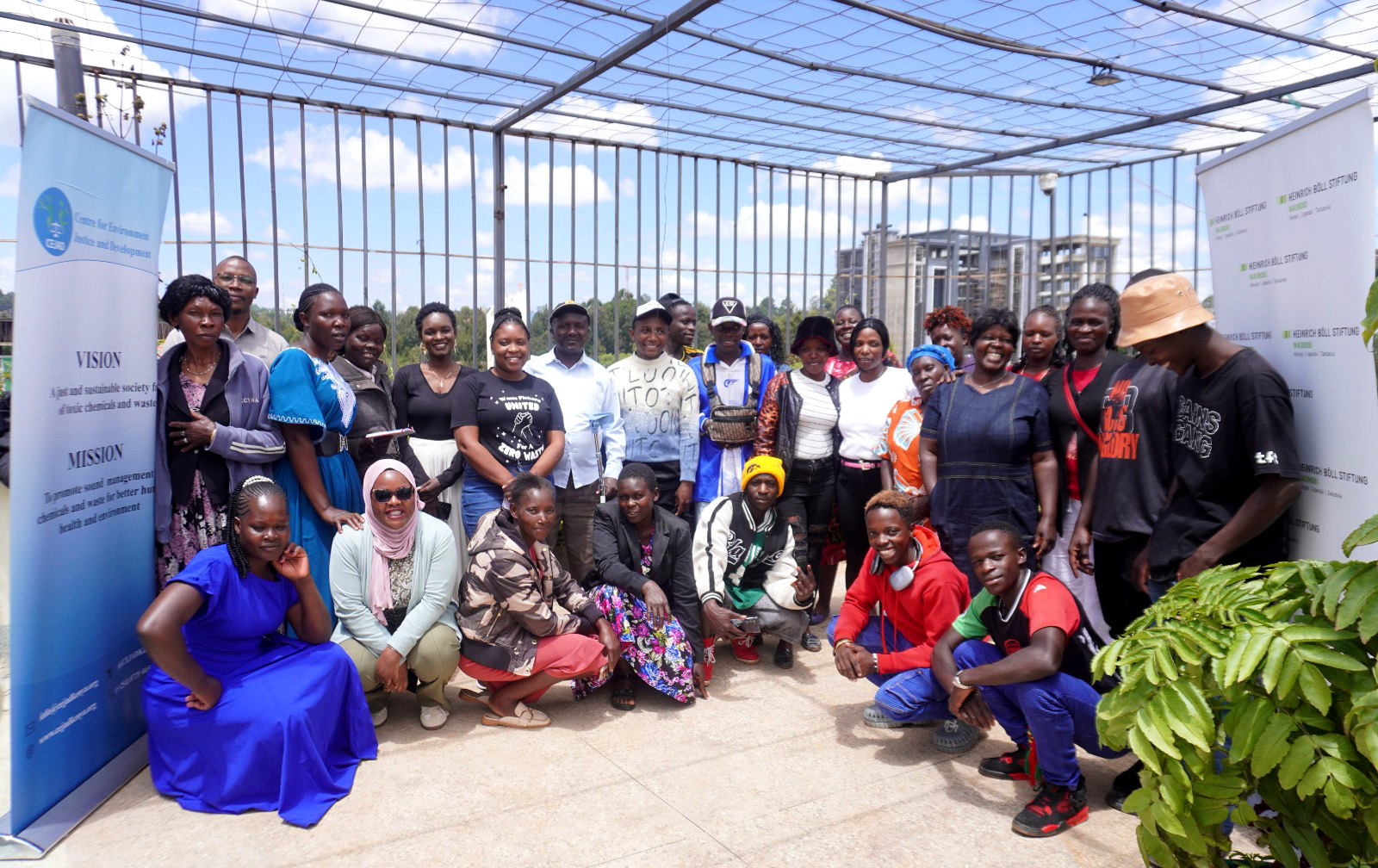
FOR IMMEDIATE RELEASE
Nairobi, March 3, 2026 - Centre for Environment Justice and Development (CEJAD) and the Heinrich Böll Foundation (HBF) call for the implementation of Kenya's waste management laws and the integration of waste pickers to ensure a true, just transition for waste pickers that prioritizes their dignity, safety, and recognition.
Related Program: Plastic and Waste Management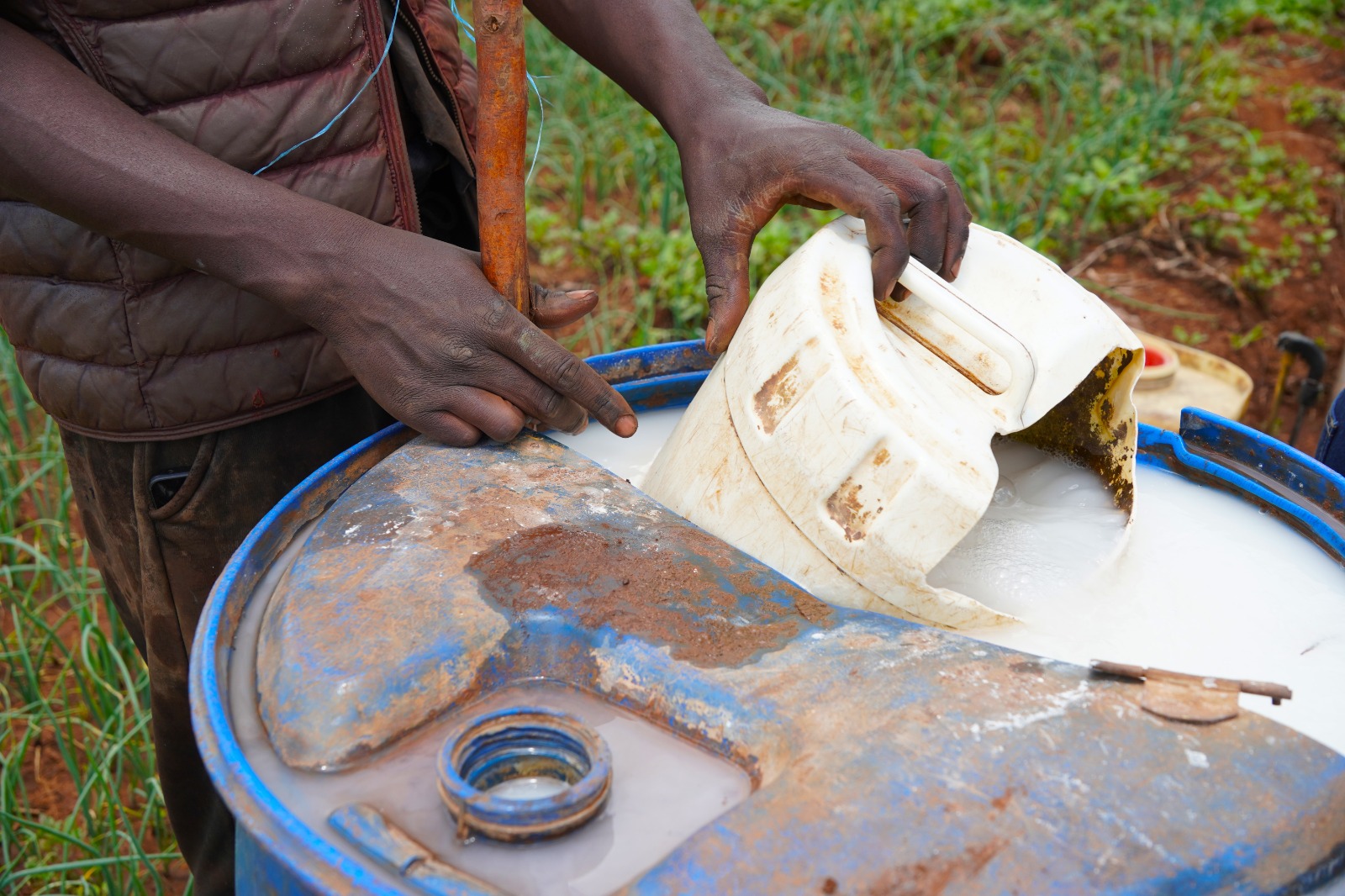
New Study Calls for Urgent Action to Protect Farming Communities and Public Health from Toxic Pesticide Exposure
Nairobi, 15th January, 2026 - A new study by the Centre for Environment Justice and Development (CEJAD) has revealed that Kenya’s agricultural sector is heavily dependent on pesticides, including Highly Hazardous Pesticides (HHPs), linked to serious health and environmental effects, exposing farmers, farm workers, their families, consumers, and the environment.
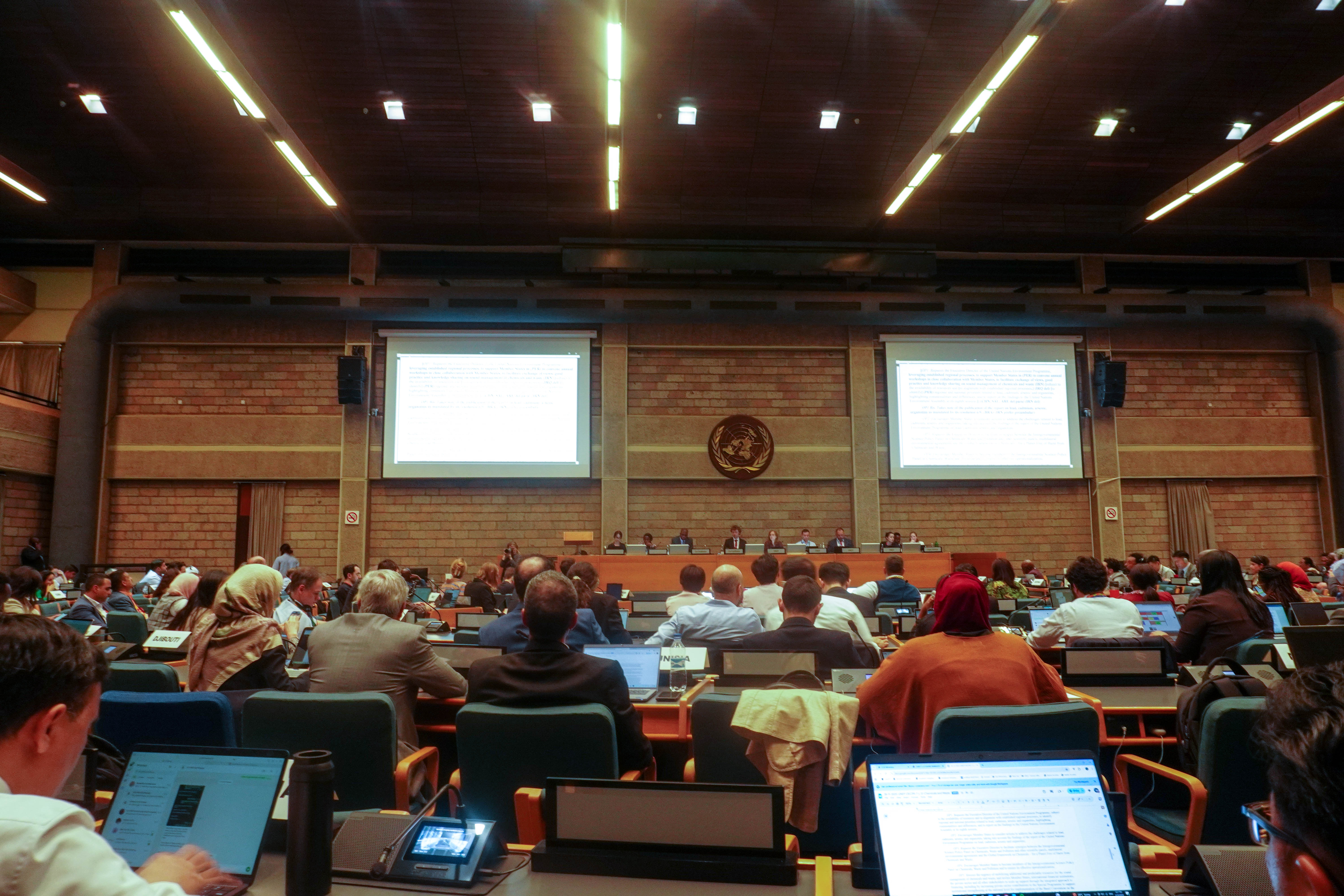
Recognising Zero Waste at UNEA-7 signals a future where prevention, reuse, and non-toxic circular systems replace disposal-driven approaches to waste management.
Related Program: Plastic and Waste ManagementMedia desk
[email protected]
Contributions to CEJAD
[email protected]
General Inquiries
[email protected]