
Articles | blog

Preventing food waste through zero-waste systems and community action.

Food waste is not just a social issue; it is also an environmental one. In 2022, a fifth of all the food produced globally was wasted, yet many people lacked access to food.

Food waste is not just a social issue; it is also an environmental one. In 2022, a fifth of all the food produced globally was wasted, yet many people lacked access to food. According to FAO, 258 million people in 58 countries faced acute food insecurity that year. At the same time, food waste remains a significant contributor to methane emissions, a short-lived greenhouse gas that accelerates global warming, accounting for about 10% total greenhouse gas emissions. 

To address food wastage, farmers must aim to produce enough, not too little and not too much, but sufficient to feed a specific targeted demographic. Where surplus is production occurs and cannot be absorbed by the market, it should be donated to the millions who lack access to nutritious food before it can even become waste. 

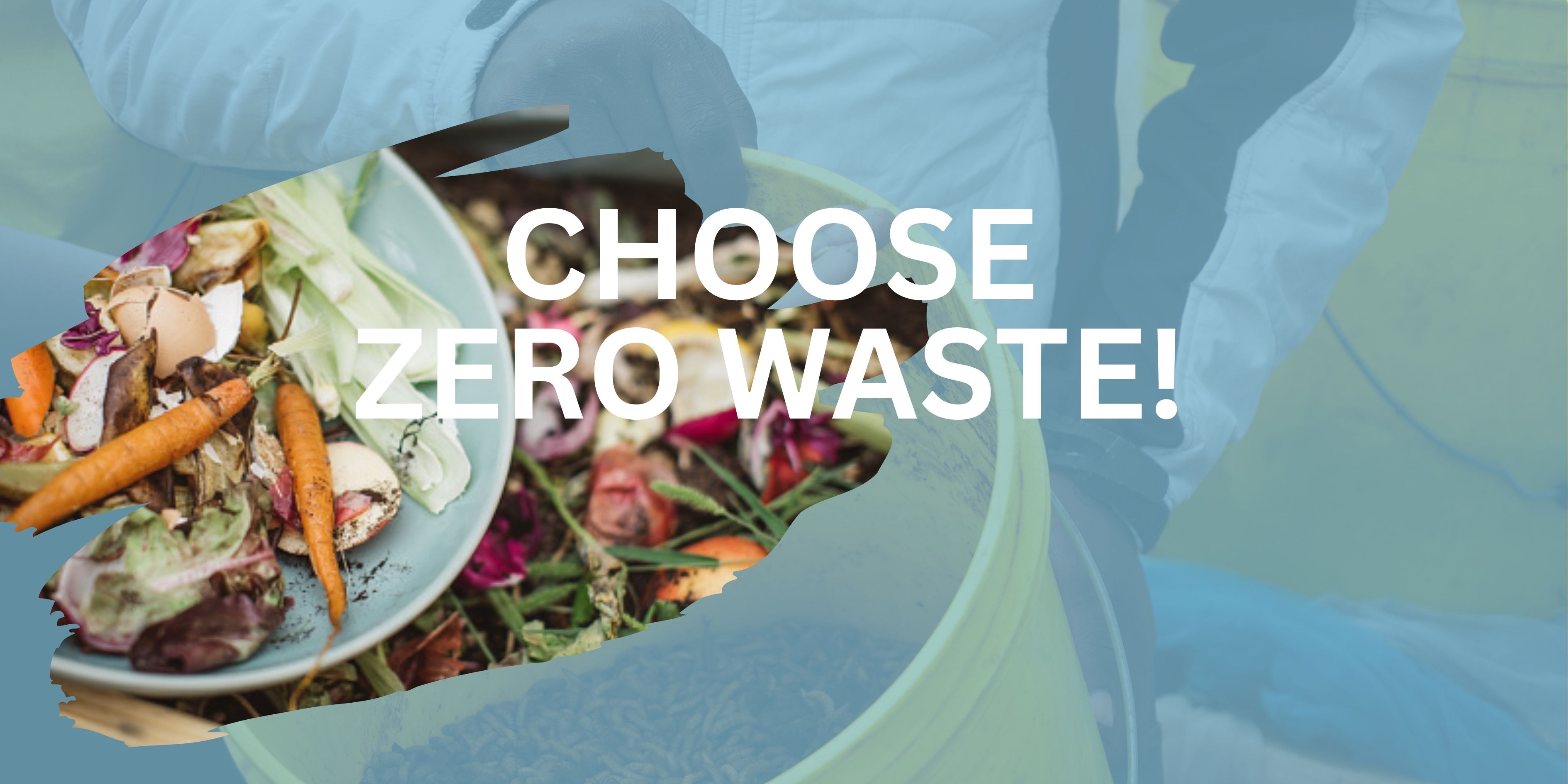
Whatever eventually goes bad can still be treated and put to use through various processes, ensuring that even if humans cannot consume it, it can contribute to a secondary system, thereby advancing a zero-waste approach. For instance, organic waste can be fed to black soldier fly larvae, which efficiently convert food waste into ‘organic fertiliser’. Alternatively, it can be composted where space allows. The output from both processes ultimately enhances soil structure and fertility. 

This is exactly what we at CEJAD, in collaboration with Kisumu Waste Pickers Welfare Association (KIWAPWA), the Kisumu County Government, Obunga and Arina Residents Association, are piloting in Kisumu. We are in the process of establishing a pilot organic waste management infrastructure to meaningfully contribute to this important course: the reduction of methane emissions from organic and food waste. We wish to sincerely appreciate the UMI fund for the support in implementing this zero-waste project.

Add new comment

The content of this field is kept private and will not be shown publicly.
About text formats

Restricted HTML

  • Allowed HTML tags: <a href hreflang> <em> <strong> <cite> <blockquote cite> <code> <ul type> <ol start type> <li> <dl> <dt> <dd> <h2 id> <h3 id> <h4 id> <h5 id> <h6 id>
  • Lines and paragraphs break automatically.
  • Web page addresses and email addresses turn into links automatically.
CAPTCHA
Solve this simple math problem and enter the result. E.g. for 1+3, enter 4.
This question is for testing whether or not you are a human visitor and to prevent automated spam submissions.
Related program:

More programs

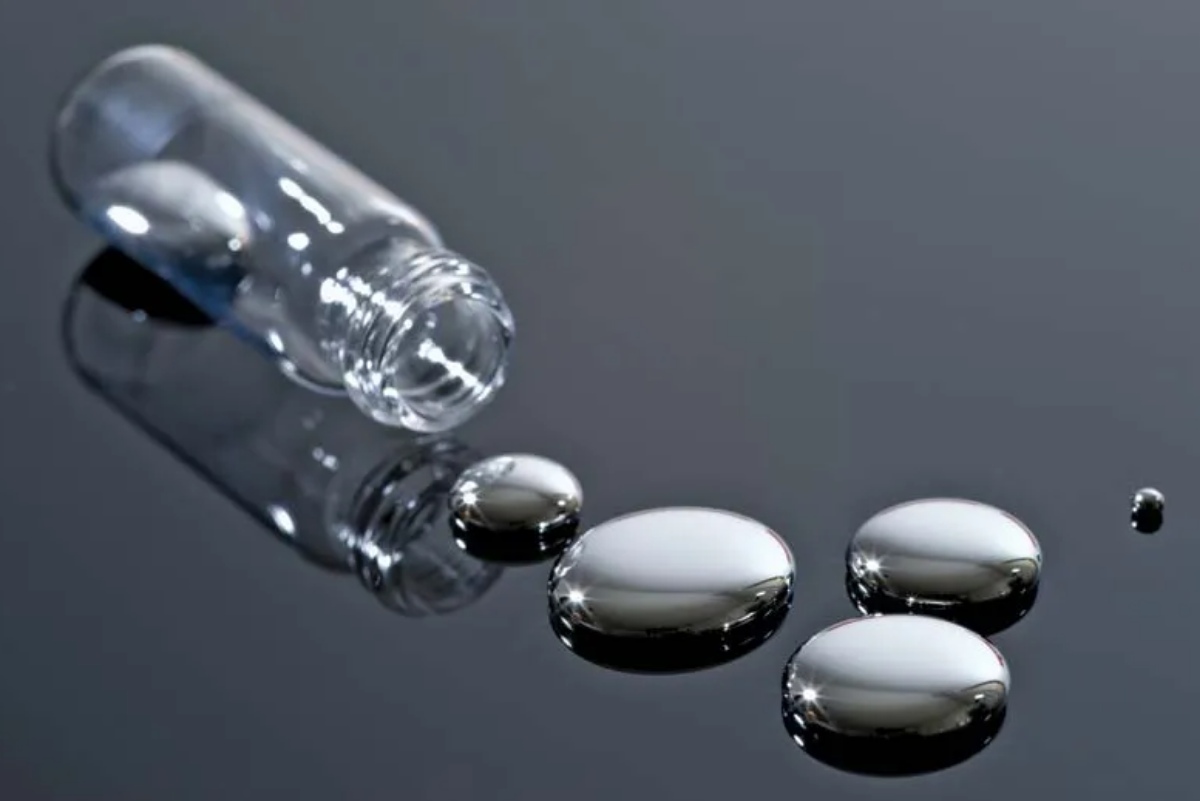
Our work under the Mercury Elimination Program aims to protect human health and the environment from anthropogenic emissions and releases of mercury and mercury compounds, in line with the Minamata Convention on Mercury, a legally binding global treaty adopted in 2013. Kenya is a party to the Minamata Convention.

Under this program, CEJAD aims to eliminate the risk posed by exposure to lead in paints to women and children, and improve the regulatory frameworks to phase out lead in paint at national, regional and international level.

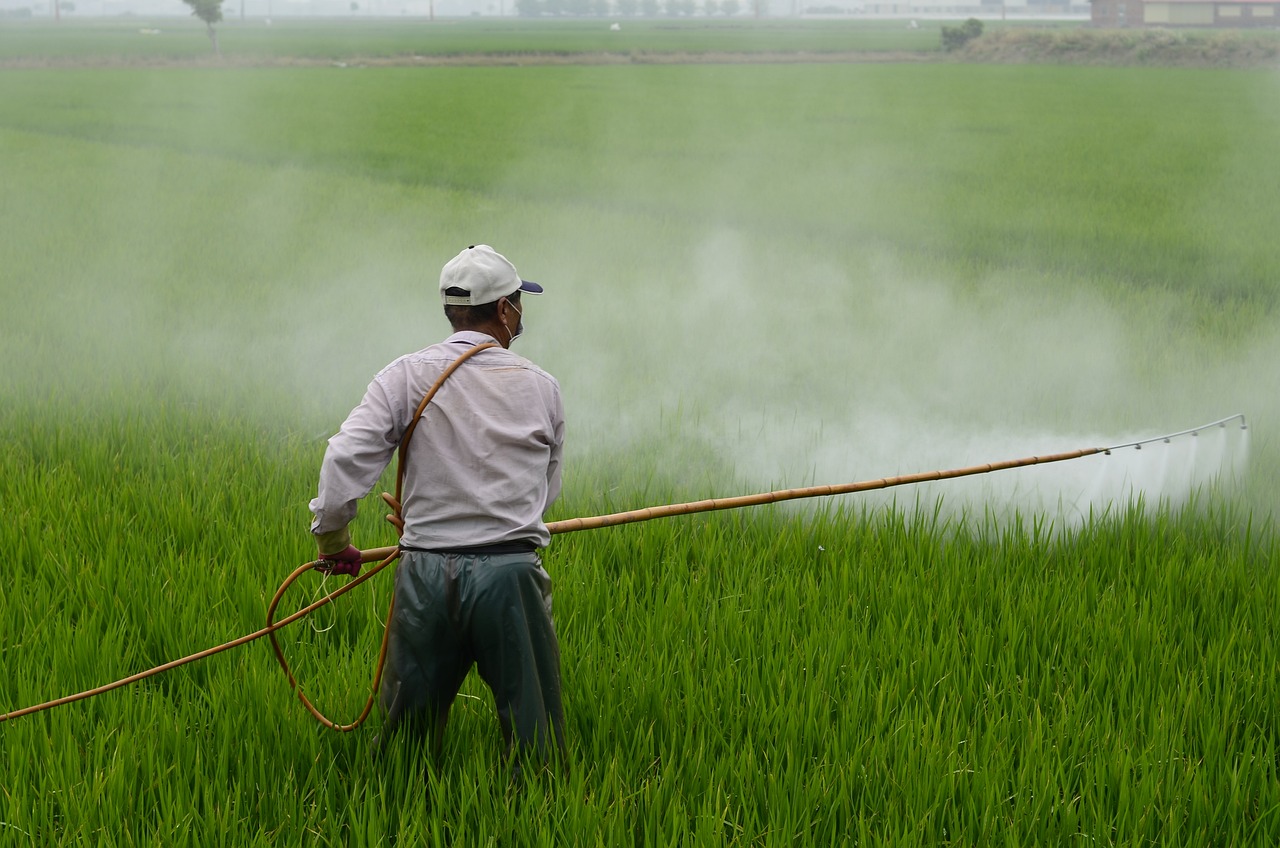
Our work under this program aims to promote the phase out of Highly Hazardous Pesticides (HHPs) from use, especially in agriculture to protect human health and the environment. The use of HHPs is threatening the lives of vulnerable populations, food systems, biodiversity and the environment at large.

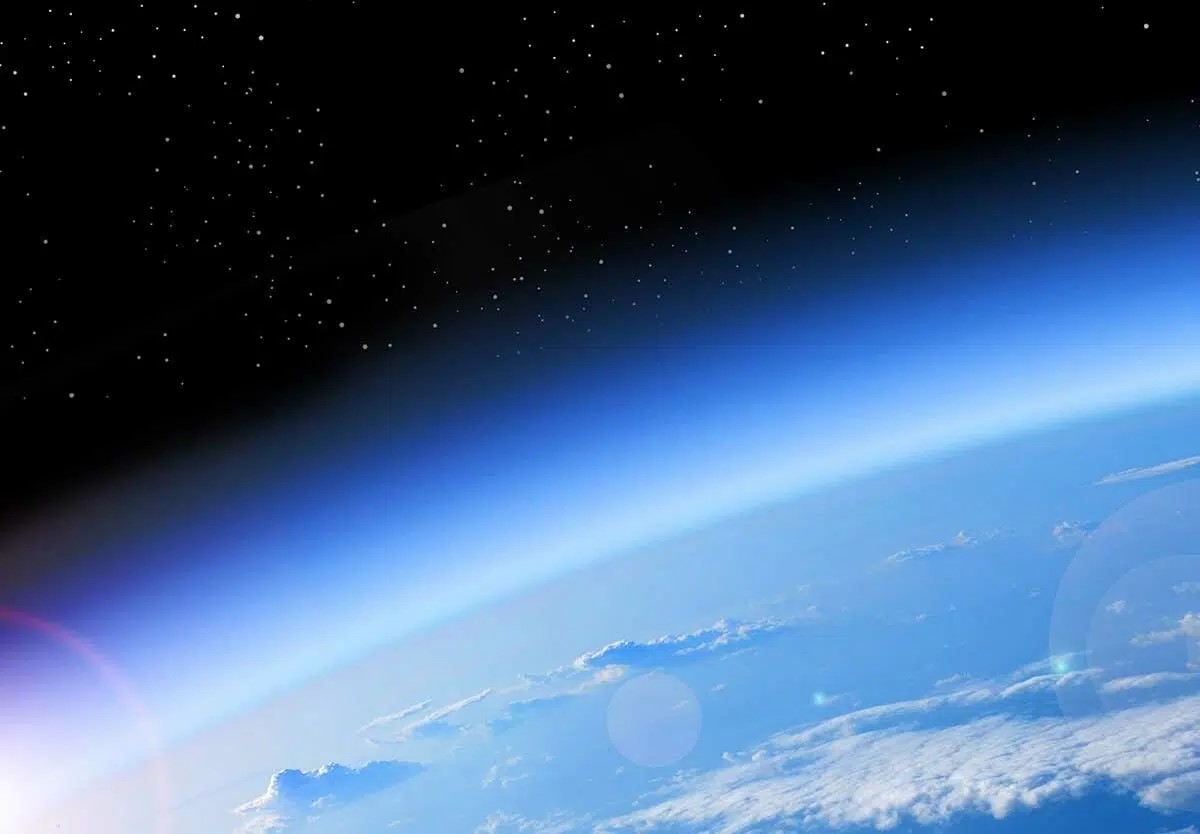
The Montreal Protocol, adopted in 1987, protects the ozone layer by regulating ozone-depleting substances (ODS), such as chlorofluorocarbons (CFCs) and hydrochlorofluorocarbons (HCFCs). It mandates the phase-out of CFC and HCFC production and consumption with specific timeframes for different Parties, based on their status as a developed or developing country.

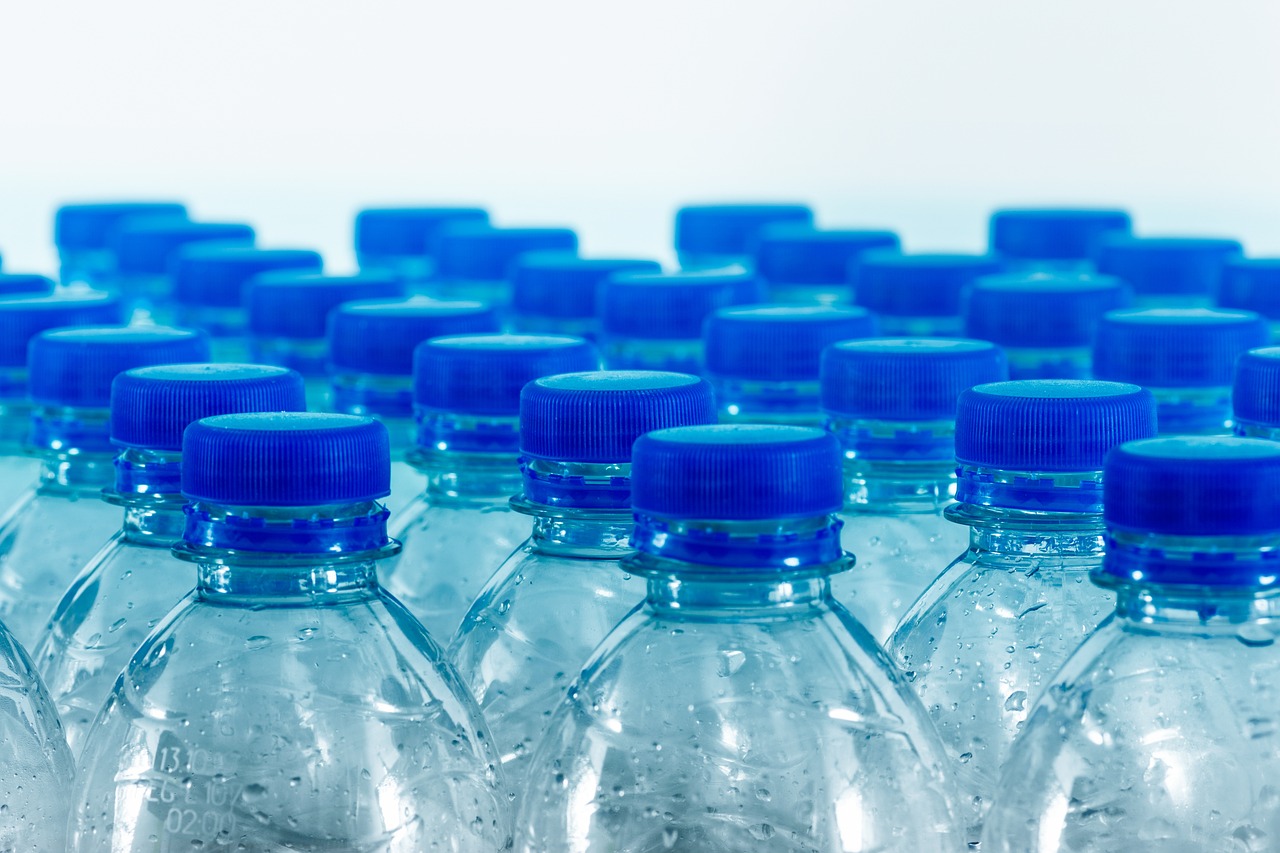
Our work under this program aims to reduce the health and environmental impacts associated with waste and plastics throughout their life cycle. Over the years, plastic and plastic products have emerged as problematic and hazardous to human health and the environment.