
Resources
Access our publications and resourcesSearch
Publication
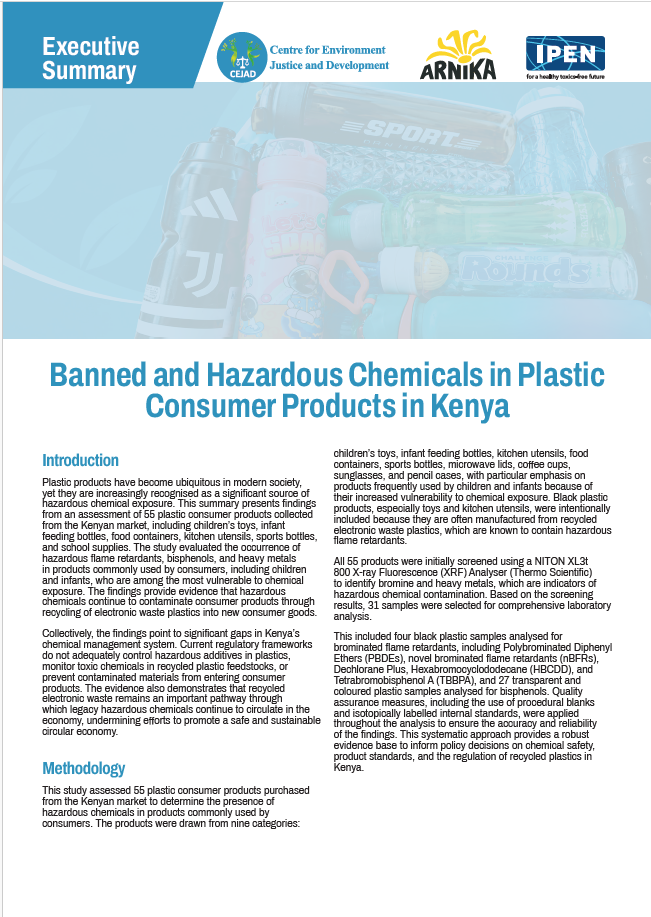
Executive Summery :Banned and Hazardous Chemicals in Plastic Consumer Products in Kenya
The study assessed 55 plastic consumer products in Kenya for hazardous chemicals, including flame retardants, bisphenols and heavy metals. Findings show that toxic chemicals remain present in products commonly used by children, infants, and the wider public.
Read more
Publication
A Briefing Paper on the Integration of Waste Pickers in the Implementation of the Extended Producer Responsibility (EPR) System in Kenya
This briefing paper examines Kenya’s transition from a linear waste management system to a circular economy, driven by the Sustainable Waste Management Act (2022) and the Extended Producer Responsibility (EPR) Regulations (2024)
Read more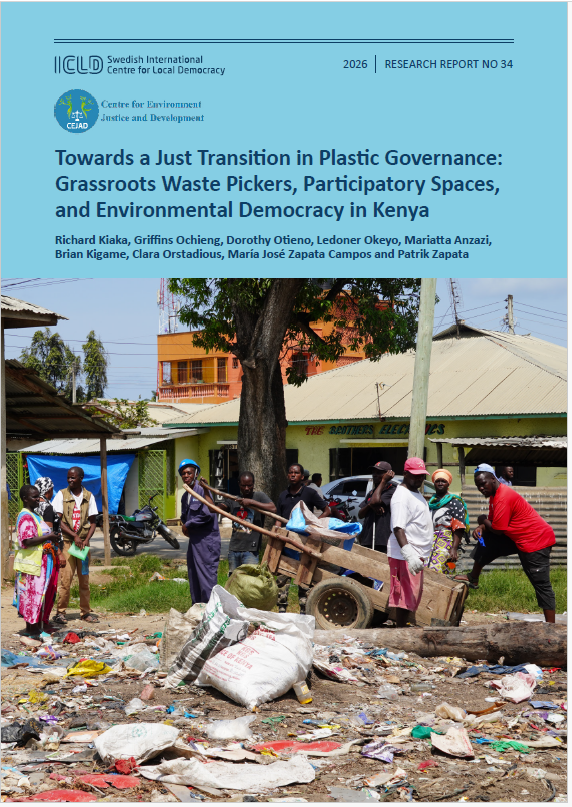
Report
Towards a Just Transition in Plastic Governance: Grassroots Waste Pickers, Participatory Spaces, and Environmental Democracy in Kenya
This study examines how grassroots waste pickers in Mombasa engage local government and contribute to a just transition in plastic governance.It highlights how co-created spaces between waste pickers, civil society and government can strengthen participation, accountability and recognition of waste pickers’ roles
Read more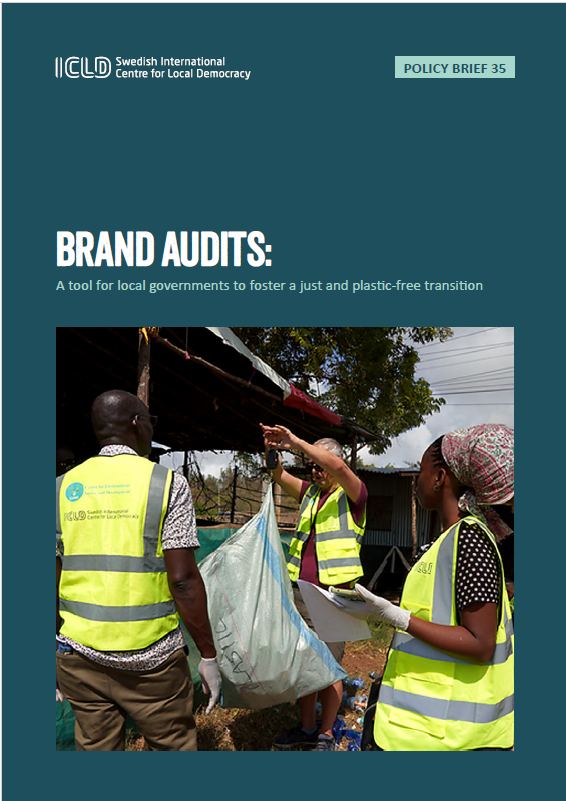
Policy Brief
BRAND AUDITS:A tool for local governments to foster a just and plastic-free transition
Plastic pollution in Kenya is often attributed to consumer behaviour, while the role of producers and packaging practices remains less visible. The resulting waste places significant financial, environmental and public health burdens on local governments, threatens marine ecosystems and livelihoods, and affects tourism in coastal counties.
Read more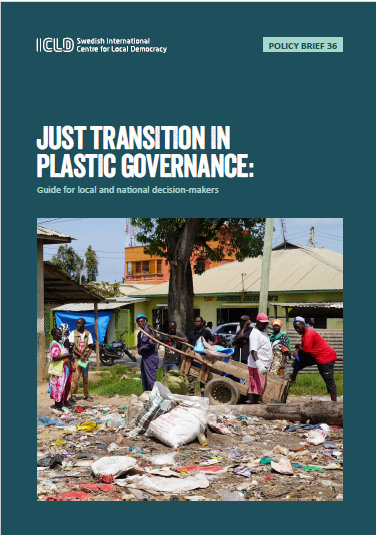
Publication
Just Transition in Plastic Governance: Guide for local and national decision-makers
This brief provides practical guidance for authorities seeking to improve plastic regulation and Extended Producer Responsibility (EPR) implementation.
Read more
Report
Unsafe by Design: Banned and Hazardous Chemicals in Plastic Consumer Products in Kenya
Unsafe by Design: Banned and Hazardous Chemicals in Plastic Consumer Products in Kenya presents findings from laboratory testing of 55 plastic consumer products sold in Kenya. The study reveals the presence of banned flame retardants, bisphenols, and heavy metals in everyday items, including children's toys and food-contact products. It highlights the risks these chemicals pose to human health and calls for stronger chemical safety regulations, market surveillance, and action to protect consumers.
Read more