
Resources
Access our publications and resourcesSearch
Report
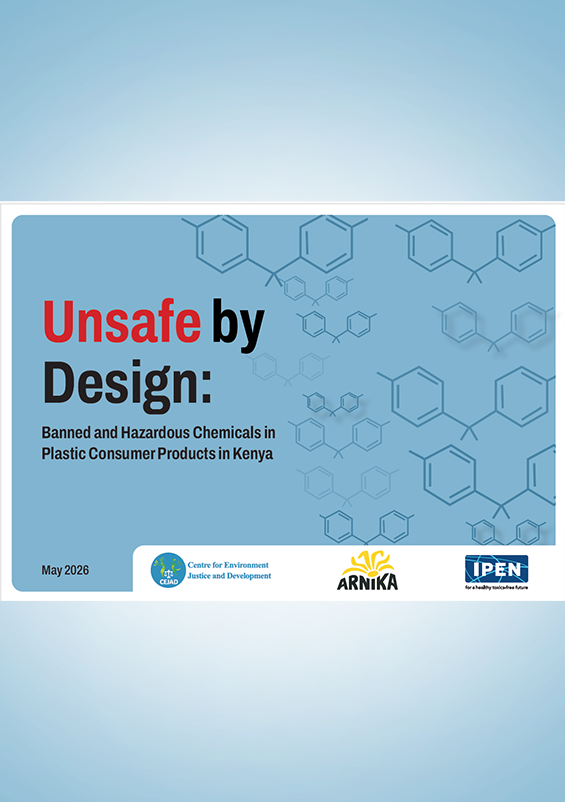
Unsafe by Design: Banned and Hazardous Chemicals in Plastic Consumer Products in Kenya
Unsafe by Design: Banned and Hazardous Chemicals in Plastic Consumer Products in Kenya presents findings from laboratory testing of 55 plastic consumer products sold in Kenya. The study reveals the presence of banned flame retardants, bisphenols, and heavy metals in everyday items, including children's toys and food-contact products. It highlights the risks these chemicals pose to human health and calls for stronger chemical safety regulations, market surveillance, and action to protect consumers.
Read more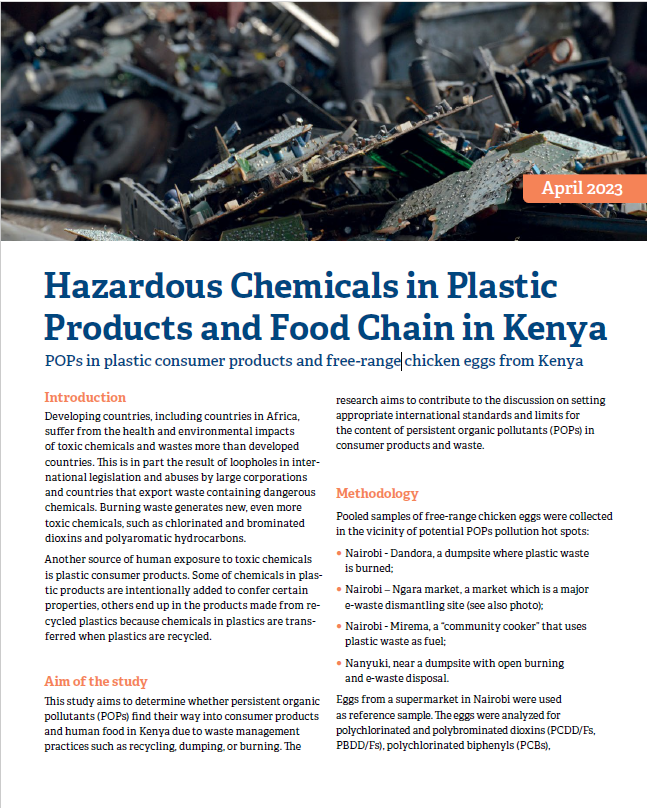
Publication
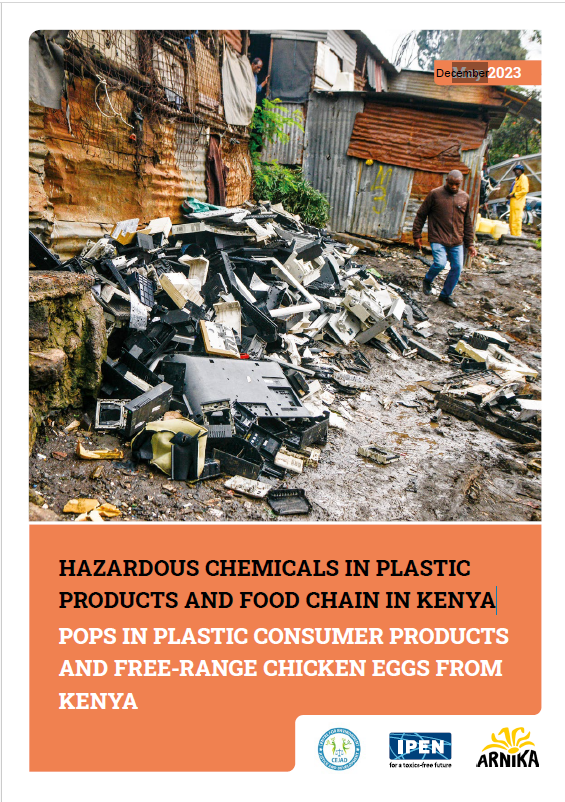
Hazardous Chemicals in Plastic Products and Food Chain in Kenya
This report examines the presence of hazardous Persistent Organic Pollutants (POPs) in plastic consumer products and the food chain in Kenya, with a focus on areas affected by waste dumping, e-waste recycling, and open burning of plastics. Through laboratory analysis of free-range chicken eggs collected from pollution hotspots and black plastic consumer products commonly associated with recycled e-waste, the study found significant levels of toxic chemicals, including dioxins, PCBs, brominated flame retardants, and PFAS.
Read more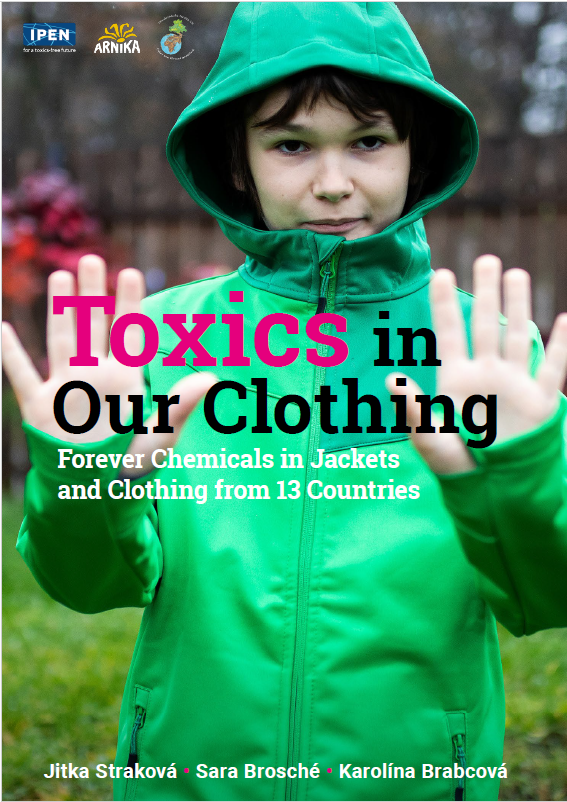
Publication
Toxics in Our Clothing
This report investigates the presence of Per- and Polyfluoroalkyl Substances (PFAS), commonly known as “forever chemicals,” in outdoor and sportswear sold across Europe, North America, Asia, and Africa. Laboratory analysis of 72 clothing items revealed that approximately 65% contained PFAS or indicators of PFAS treatment, including substances that are restricted or targeted for global elimination under international agreements.
Read more
Report
Hazardous Chemicals in Plastic Products and the Food Chain In Kenya
Developing countries, including countries in Africa, suffer from the health and environmental impacts of toxic chemicals and wastes more than developed countries. This is, in part, the result of loopholes in international legislation and of abuses by large corporations and countries that export waste containing dangerous chemicals. Burning waste generates new, even more toxic chemicals, such as chlorinated and brominated dioxins and polyaromatic hydrocarbons.
Read more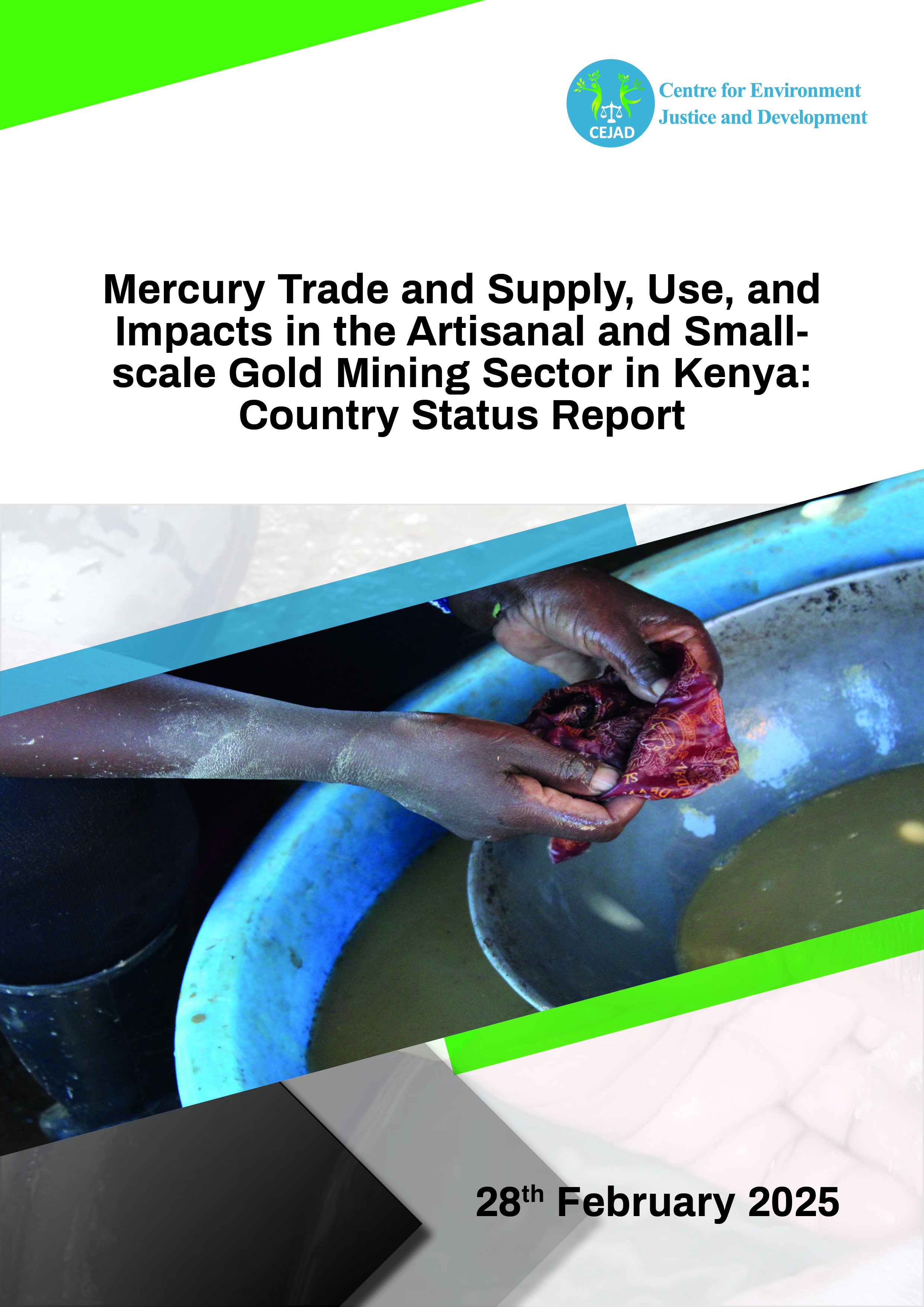
Report
Mercury Trade and Supply, Use, and Impacts in the Artisanal and Small-scale Gold Mining Sector in Kenya: Country Status Report
Mercury remains a major health and environmental risk in Kenya’s artisanal and small-scale gold mining (ASGM) sector despite the country joining the Minamata Convention on Mercury in 2023. Studies show that mining communities are exposed to unsafe mercury levels due to weak enforcement and poor waste management.
Read more
Policy Brief
Closing the Gaps: Strengthening the Minamata Convention to Eliminate Mercury Use in Kenya’s ASGM Sector
Kenya’s artisanal and small-scale gold mining (ASGM) sector continues to use mercury despite legal restrictions and the country having no domestic mercury production, creating serious health and environmental risks. The policy brief calls for coordinated national and international action, urging Kenya to support stronger global measures to phase out mercury use in ASGM and curb mercury trade.
Read more